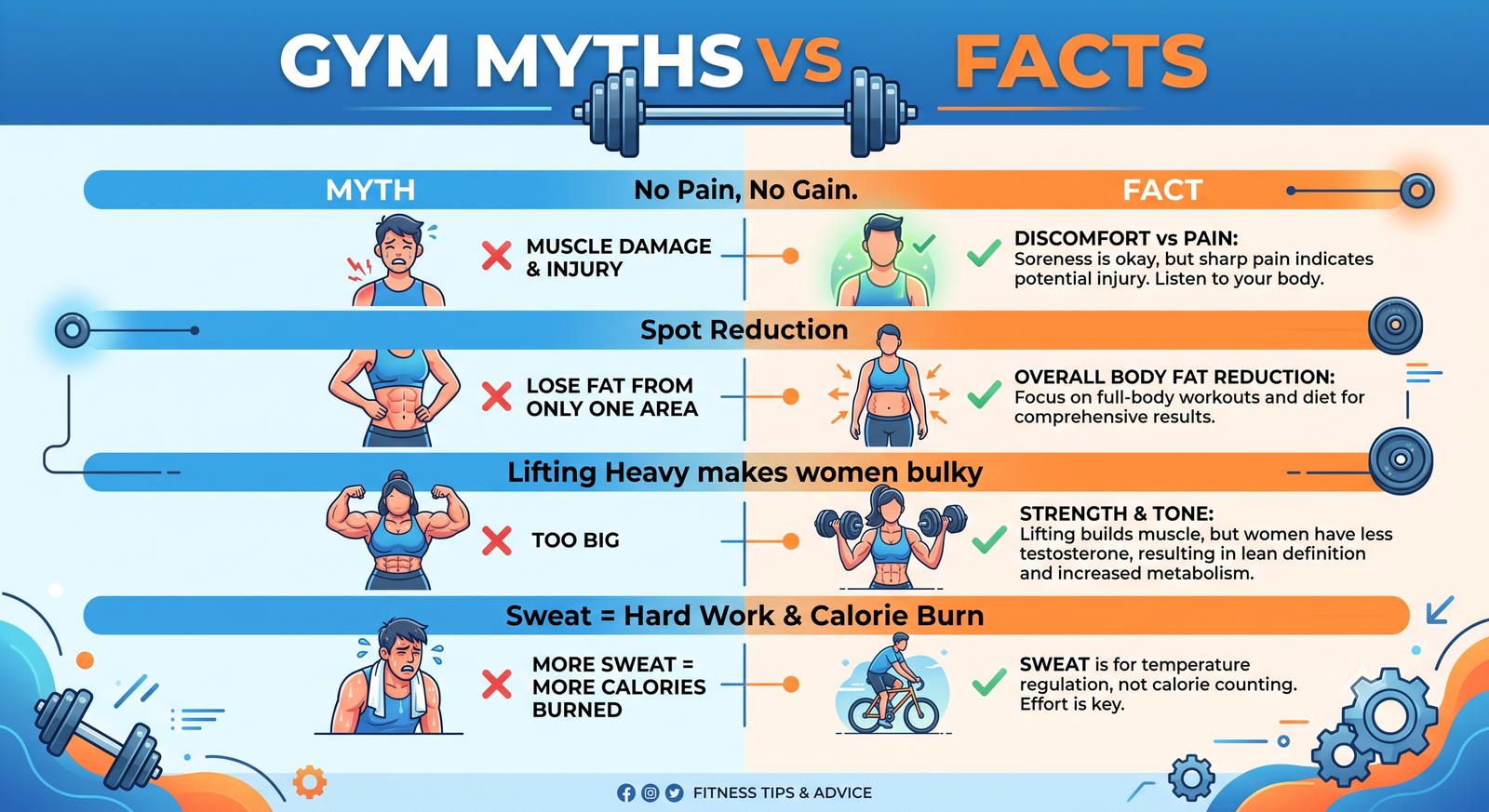
5 bodybuilding myths debunked. I’ve been in and out of gyms for most of my adult life, and if there’s one thing I’ve learned as a blogger who covers fitness for a living, it’s this: the gym is full of “facts” that aren’t actually facts. They get repeated by well-meaning trainers, passed down from one generation of lifters to the next, and eventually treated as gospel — even when the science says otherwise.
Today I’m doing a deep dive into 5 bodybuilding myths debunked, using research, biomechanics, and two decades of trial and error in my own training. If you’ve ever felt confused about reps, sets, or squat form, this is the article that finally clears things up.
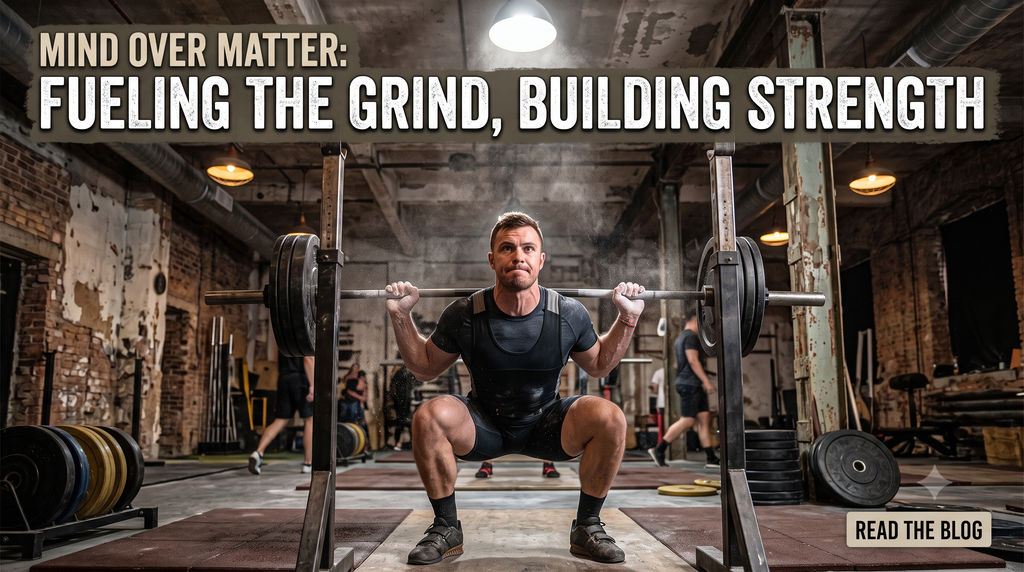
Why Bodybuilding Myths Survive So Long
Before we get into the specifics, it’s worth asking: why do bad ideas stick around in strength training culture? Part of it is tradition — gyms are social spaces, and advice gets passed peer-to-peer rather than pulled from peer-reviewed journals. Part of it is oversimplification — a nuanced truth gets flattened into a catchy rule that’s easy to repeat but wrong in practice.
That’s exactly what’s happening with the folklore I’m about to walk through. Each of these 5 bodybuilding myths debunked below started as a reasonable guideline and calcified into a rigid “rule” that actually limits your results.
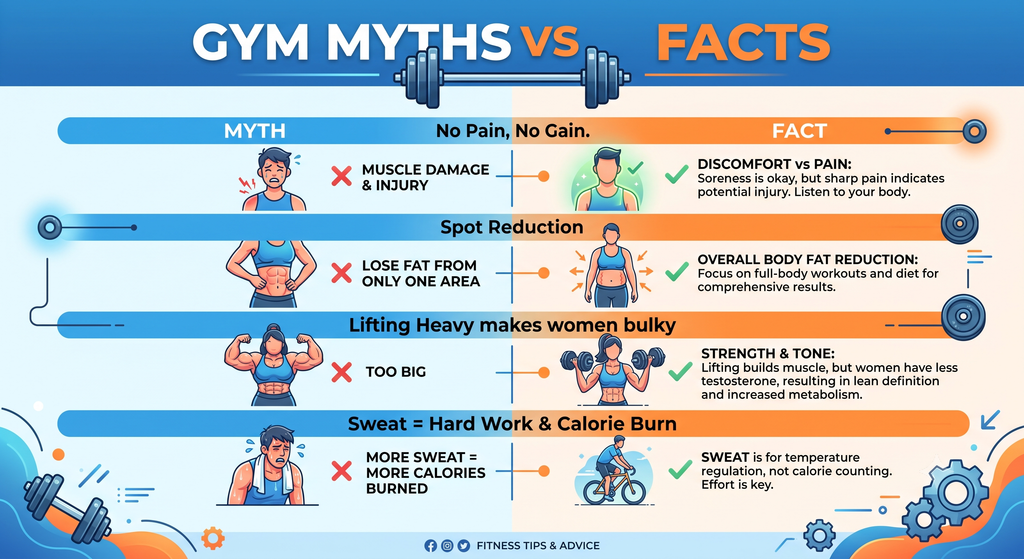
Myth #1: The 12-Rep Rule Is the Best Way to Build Muscle
This is probably the most repeated piece of advice in every commercial gym: “Do 8 to 12 reps for muscle growth.” It’s not wrong, exactly — but it’s incomplete, and that’s why it tops my list of 5 bodybuilding myths debunked.
Here’s the truth: muscle growth happens through multiple pathways. Heavy weights with lower reps create high mechanical tension, which drives significant strength and size gains. Lighter weights with higher reps create longer time under tension, which stimulates the supporting structures around muscle fibers and builds endurance capacity. If you only ever train in the 8–12 rep range, you’re leaving an entire dimension of muscle growth on the table.
My recommendation: cycle your rep ranges. Spend a few weeks in the 4–6 rep range with heavier loads, then shift to 15–20 reps with lighter loads. Your body responds to variety, not repetition of the same stimulus forever.
Adjustable Dumbbells Affiliate Link: “Rotating rep ranges is so much easier with a versatile set at home. Here’s the adjustable dumbbell set I personally train with → https://link.amazon/A0f71OXJQ
Myth #2: You Must Always Do Three Sets
The “three sets of everything” rule is another classic example on my list of 5 bodybuilding myths debunked. There’s nothing wrong with three sets — but there’s nothing magical about it either. It’s simply a number that became a default because it’s easy to remember, not because it’s optimal for every goal.
The reality is that your set count should be inversely related to your rep count. If you’re doing higher reps per set, you need fewer sets to hit your total training volume for that muscle group. If you’re doing lower reps per set, you need more sets to accumulate the same volume. The goal is consistent total repetitions per exercise, not a fixed number of sets dictated by gym tradition.
Once you understand this relationship, you can build far more efficient workouts — hitting the same growth stimulus in less time, or pushing harder within the same time budget.
Myth #3: You Need Three to Four Exercises Per Muscle Group
This one might be the most time-wasting entry in my rundown of 5 bodybuilding myths debunked. Walk into any gym and you’ll see people doing four different chest exercises, three sets each, at 12 reps per set. That’s 144 total repetitions for one muscle group in a single session — and most of that volume is unnecessary junk work that actually impairs recovery.
Instead, I recommend aiming for roughly 30 to 50 total quality repetitions per muscle group per session. That could be 2 sets of 15, or 5 sets of 10 — whatever fits your rep range strategy. Fewer exercises, done with more intent and better form, consistently outperform the “more is better” approach that dominates gym culture.
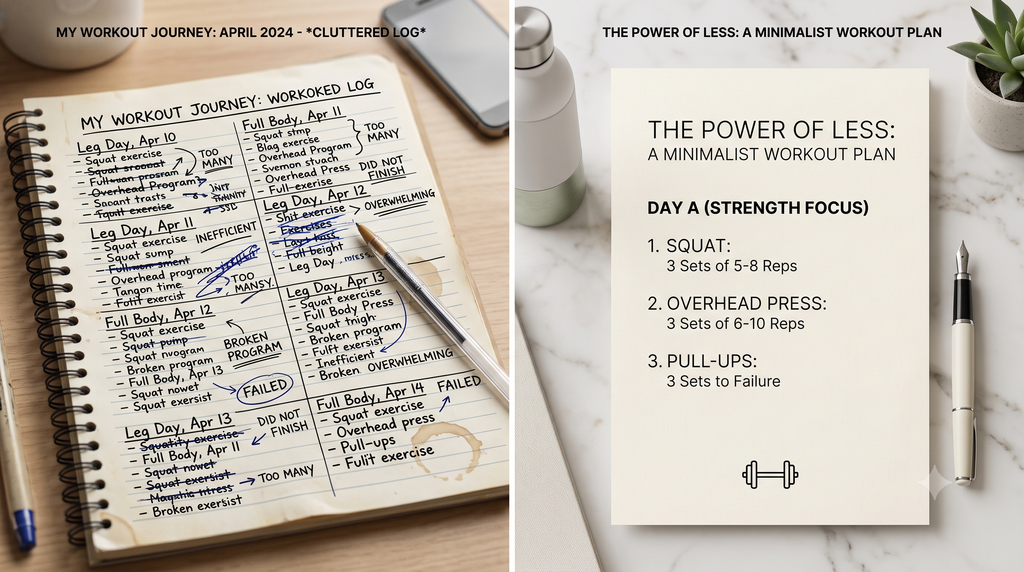
Workout Tracking App/Journal Affiliate Link: “Once you simplify your routine, tracking becomes everything. This is the workout log I use to keep my training efficient → https://link.amazon/B0dScbxRu
Myth #4: “Knees Should Never Go Past Your Toes”
If you’ve ever been corrected mid-squat for letting your knees drift forward, you’ve encountered one of the most persistent pieces of gym folklore — and it earns its place among my 5 bodybuilding myths debunked because the research actually contradicts it.
A well-known biomechanics study found that restricting forward knee movement during a squat increased hip stress by nearly 1000%, because the body compensates by leaning the torso forward, which shifts strain onto the lower back instead. Meanwhile, allowing natural knee travel past the toes only increased knee stress by about 30% — a manageable trade-off for a joint built to handle load.
The real fix isn’t obsessing over your knees. It’s focusing on torso position. Before you squat, squeeze your shoulder blades together and keep your chest upright. As you descend, try to keep your forearms roughly perpendicular to the floor. This naturally reduces excessive forward lean and distributes stress properly across your hips, knees, and back — without the artificial restriction that’s been taught for decades.
Myth #5: Sucking In Your Abs Protects Your Spine During Every Lift
The final entry on my list of 5 bodybuilding myths debunked is one that even experienced lifters get wrong. You’ve probably heard, “engage your core” or “draw your abs in” before every heavy lift. It sounds like solid advice — and sometimes it is — but it’s not universally true.
Your body stabilizes the spine using a coordinated system of muscles, and which muscle group takes the lead actually changes depending on the exercise and the load. The transverse abdominis (the deep ab muscle everyone talks about “engaging”) isn’t always the primary stabilizer. In most compound lifts, your body automatically recruits whichever muscles are best suited to protect your spine in that specific movement pattern.
If you consciously override this system by forcing a “hollow” or “draw-in” brace on every single lift, you can actually recruit the wrong muscles, limit the right ones from firing properly, increase your injury risk, and reduce the total weight you’re able to safely lift.
The better approach: learn proper bracing technique for each specific lift rather than applying one universal cue to everything. A qualified coach or a few sessions with a knowledgeable trainer can make a massive difference here.
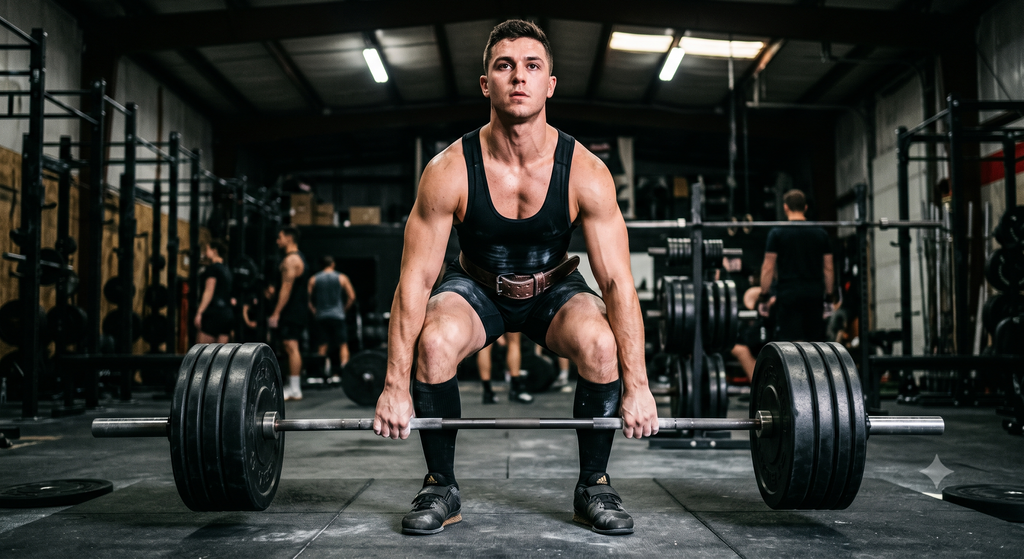
Lifting Belt/Core Training Gear Affiliate Link: “For lifts where bracing really matters, a proper lifting belt can help reinforce good technique. Here’s the one I recommend → https://link.amazon/B0fqufVsI
Why This Matters More Than You Think
Going through these 5 bodybuilding myths debunked isn’t just an academic exercise — it directly affects how fast you progress, how often you get injured, and how much time you waste in the gym chasing outdated advice. I’ve personally rebuilt my own training program around these corrections, and the difference in both strength gains and joint health has been significant.
The bodybuilding world is full of confident-sounding rules that were never actually tested. My goal as a blogger covering this space is to separate what’s proven from what’s just repeated. That’s the whole premise behind 5 bodybuilding myths debunked — not to tell you what to think, but to show you what the evidence actually says.
Putting It All Together
Here’s a quick recap of the myths we busted today:
- The 12-rep rule isn’t the only path to muscle growth — vary your rep ranges.
- Three sets isn’t a magic number — match sets to your rep range and total volume goals.
- You don’t need three to four exercises per muscle group — quality beats quantity.
- Letting your knees travel past your toes during a squat is often safer than restricting them.
- Bracing your abs isn’t a universal fix — let your body’s natural stabilization system do its job.
If you take just one thing away from this breakdown of 5 bodybuilding myths debunked, let it be this: question the advice that’s been repeated so often it’s never been questioned. Strength training is a science, not folklore, and the lifters who understand that difference are the ones who make the fastest, safest progress.
1 thought on “5 Bodybuilding Myths Debunked”