Gut Health: 7 Powerful Secrets
Struggling with bloating and low energy? Discover 7 powerful, science-backed gut health tips that actually work — plus what to eat, avoid, and try today.
Gut Health: 7 Powerful Ways to Feel Better
I’ll be honest with you — for years, I treated my stomach like an afterthought. I’d eat on the run, skip water for hours, stress my way through deadlines, and then wonder why I felt sluggish, bloated, and foggy by 3 p.m. It wasn’t until I started digging into the research (and testing things on myself, because that’s how I write) that I understood just how much gut health quietly runs the show — energy, mood, immunity, even skin clarity.
I’m Sujith John Malliyil, and if you’ve followed my writing before, you know I don’t do fluff. So this isn’t a generic “eat more yogurt” listicle. This is the health playbook I wish someone had handed me a decade ago — seven powerful, practical shifts that actually move the needle, plus the honest reasoning behind each one.
Let’s get into it.
Why Gut Health Deserves Your Attention Right Now
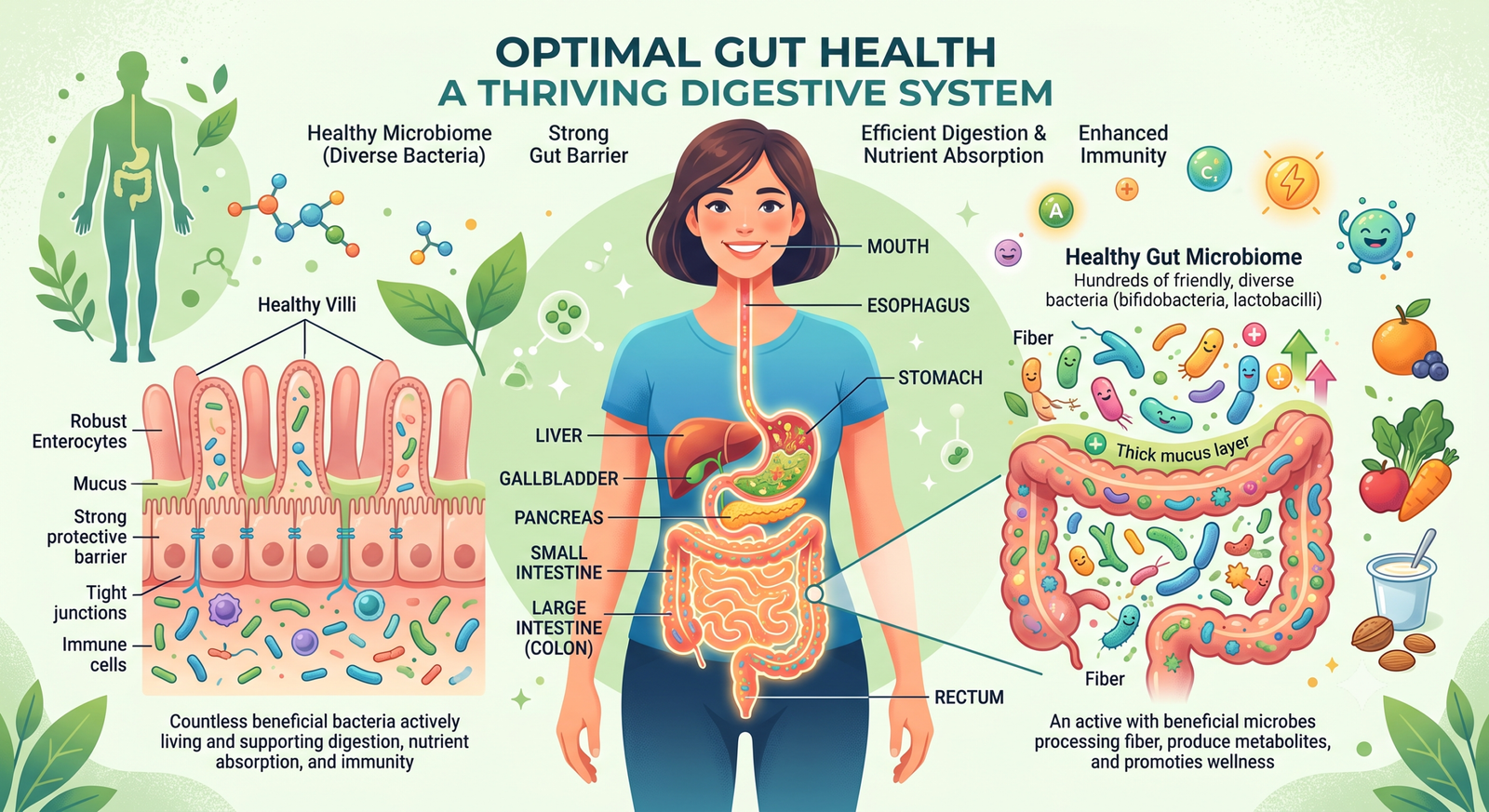
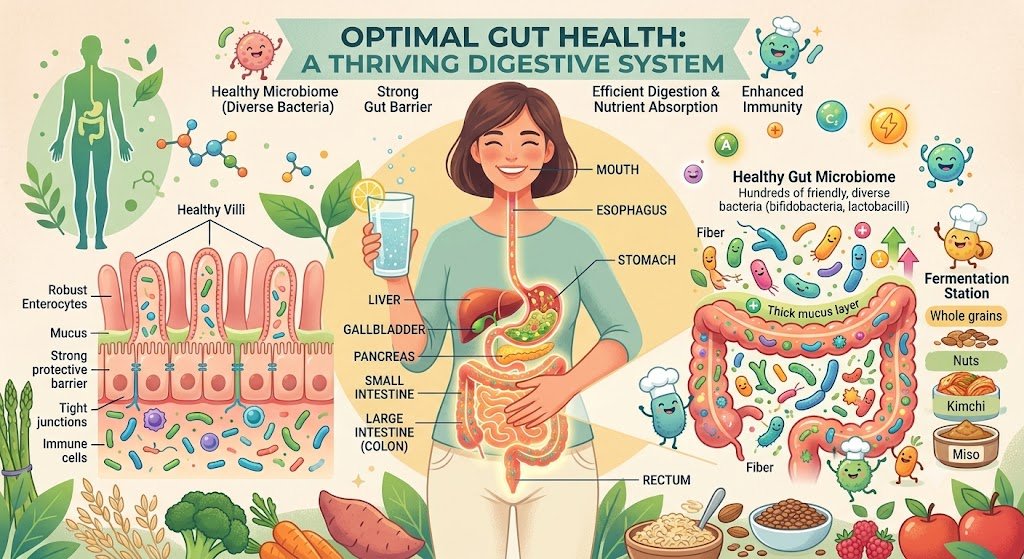
Your gut isn’t just where food goes to disappear. It’s home to trillions of microorganisms — collectively called the gut microbiome — that influence digestion, inflammation, hormone regulation, and even neurotransmitter production. Researchers at institutions like Harvard Health have pointed out that a large share of your body’s serotonin is actually produced in the gut, which is why poor gut health is so often tangled up with mood swings, anxiety, and that “foggy brain” feeling.
When gut health is out of balance — a state researchers call dysbiosis — you may notice bloating, irregular digestion, fatigue, skin flare-ups, and a immune system that seems to catch every cold going around. The good news? Gut health is remarkably responsive to lifestyle change. You don’t need a complete life overhaul. You need consistency with the right levers.
Curious what’s actually going on in your gut? → Check out – https://link.amazon/B0d9J7Cxe
1. Eat Fermented Foods to Rebuild Gut Health
Fermented foods — kimchi, sauerkraut, kefir, miso, and unsweetened yogurt — introduce live beneficial bacteria directly into your digestive system. This is one of the fastest, most enjoyable ways to support gut health, because you’re not fighting your palate; you’re feeding it.
I started with a small daily serving of plain kefir and unsweetened kimchi, and within about three weeks noticed less bloating after meals. That’s anecdotal, sure, but it lines up with what the NIH’s National Center for Complementary and Integrative Health has published on probiotic-rich foods and digestive balance.

Fermentation Starter Kit – https://link.amazon/B0gFzGxPk
2. Add More Fiber for Long-Term Gut Health
Fiber is the unsung hero of gut health. Soluble fiber (oats, apples, beans) feeds your beneficial bacteria, while insoluble fiber (whole grains, leafy greens) keeps things moving. Most adults fall well short of the recommended 25–38 grams a day, and it’s one of the biggest reasons gut health quietly declines over time.
My rule of thumb: add one fiber-rich food to every meal instead of trying to overhaul your whole diet overnight. A handful of berries at breakfast, a side of lentils at lunch, roasted vegetables at dinner. Small, repeatable, sustainable — that’s how real gut health improvement happens.
3. Stay Hydrated to Support Gut Health
Water does more for gut health than most people realize. It helps break down food, allows nutrients to absorb properly, and keeps the mucosal lining of your intestines functioning the way it should. Chronic mild dehydration is a quiet contributor to constipation and sluggish digestion — two classic signs of poor gut health.
I keep a liter bottle on my desk and refill it twice before dinner. It sounds almost too simple to matter, but hydration is a foundational pillar of gut health, not a bonus tip.

4. Manage Stress — It’s a Gut Health Issue Too
Here’s something that surprised me when I first read about it: the gut and brain are in constant two-way communication through what’s known as the gut-brain axis. Chronic stress can alter gut motility, increase intestinal permeability, and shift the balance of bacteria — all of which undermine gut health, even if your diet is otherwise solid.
This is why some of the best gut health advice isn’t dietary at all. It’s a short walk after lunch. It’s five minutes of slow breathing before a stressful meeting. It’s protecting your sleep so your nervous system isn’t running on fumes. Managing stress is, in a very real sense, managing your gut health. Building a stress-management routine? →https://link.amazon/A01wwNBaq
5. Prioritize Sleep for Better Gut Health
Sleep and gut health feed into each other in both directions. Poor sleep disrupts the balance of gut bacteria, and an imbalanced gut can, in turn, interfere with the production of melatonin and other sleep-related compounds. It’s a loop — and it can spiral in either direction, good or bad.
Aim for a consistent sleep and wake time, even on weekends. I know that’s the tip nobody wants to hear, but of everything I’ve tested for health, sleep consistency has had one of the most noticeable effects on how I feel by mid-morning.
6. Move Your Body to Encourage Gut Health
Regular movement — even moderate walking — has been linked to greater microbial diversity, which is generally considered a marker of good health. Exercise also helps regulate bowel motility, which is a fancy way of saying it keeps things moving on schedule.
You don’t need an intense training program. A 20–30 minute walk most days does real work for your gut health, and it’s one of the easiest habits to stack onto something you’re already doing, like a phone call or a podcast.

7. Consider Targeted Probiotic Supplements for Gut Health
Food-first is always my starting point, but for some people, a quality probiotic supplement fills gaps that diet alone can’t close — especially after a course of antibiotics, which can significantly disrupt gut health. Look for products with documented strains (like specific Lactobacillus or Bifidobacterium species), transparent CFU counts, and third-party testing.
Supplements aren’t magic, and they’re not a substitute for the other six habits on this list. But as one piece of a broader gut health strategy, they can genuinely help.
Signs Your Gut Health Might Need Attention
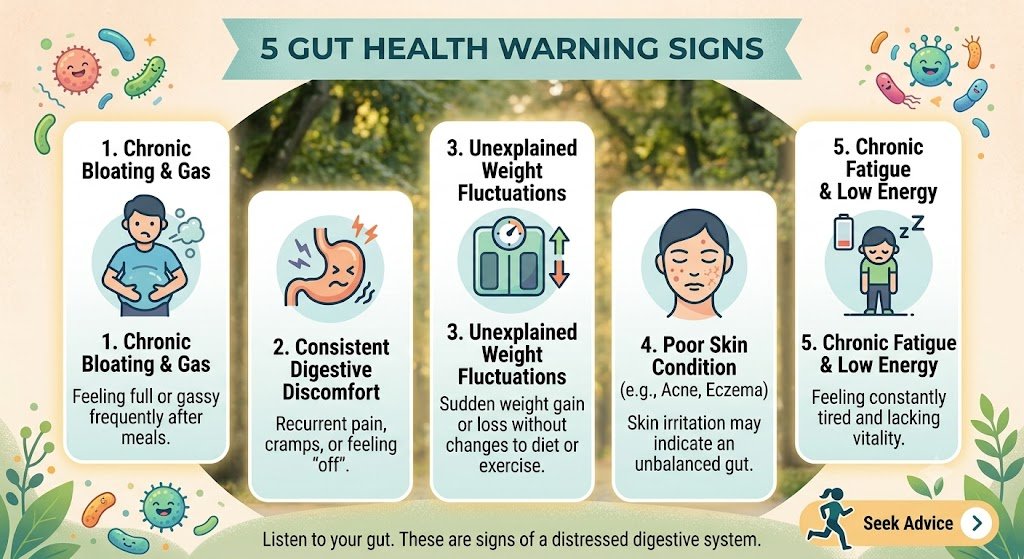
Not sure if this even applies to you? A few common signals that your gut health could use some care:
- Frequent bloating or gas after normal-sized meals
- Irregular bowel habits (too frequent or too infrequent)
- Ongoing fatigue that doesn’t match your sleep or workload
- Skin issues like unexplained breakouts or eczema flare-ups
- Getting sick more often than people around you
If several of these sound familiar, it’s a reasonable nudge to start layering in the habits above rather than waiting for things to escalate.
Final Thoughts on Gut Health
If there’s one thing I want you to take from this, it’s that gut health isn’t an overnight fix — and it isn’t complicated either. It’s fermented foods on your plate, fiber at every meal, water within reach, stress kept in check, sleep protected, movement built in, and — if needed — a well-chosen supplement rounding things out.
I’ve tested every one of these personally, and the combination has made a real difference in how I feel day to day. Start with one or two changes this week. Your gut health — and honestly, your whole sense of well-being — will thank you for it.
Frequently Asked Questions About Gut Health
How long does it take to improve gut health? Many people notice small changes — less bloating, more regular digestion — within two to four weeks of consistent habits. Deeper microbiome shifts can take a few months.
What’s the single best food for gut health? There isn’t one “best” food — variety matters more. A mix of fermented foods and diverse plant fiber sources tends to outperform any single “superfood.”
Can stress really affect gut health that much? Yes. The gut-brain axis means chronic stress can measurably shift gut bacteria and digestive function, which is why stress management belongs in any serious gut health plan.