

Blood Sugar: 7 Proven Secrets
Struggling with unstable blood sugar? Discover 7 proven, doctor-backed ways to keep your blood sugar healthy, balanced, and under control every day.
If there’s one number that quietly runs your energy, your mood, your weight, and even how well you sleep, it’s your blood sugar. I’ve spent years researching health and wellness topics for my readers, and if there’s one lesson that keeps repeating itself, it’s this: your blood sugar doesn’t have to control you — you can control it. In this guide, I’m going to walk you through seven proven, practical ways to keep your blood sugar healthy, based on real science and real-world habits that actually stick.
Whether you’ve just had a routine checkup that flagged elevated blood sugar, you’re managing a family history of diabetes, or you simply want to feel more energetic throughout the day, understanding how to manage your blood sugar is one of the most valuable things you can do for your long-term health.
Check out my #1 recommended at-home blood sugar monitor →https://link.amazon/B04q011Mf
What Is Blood Sugar, and Why Does It Matter So Much?
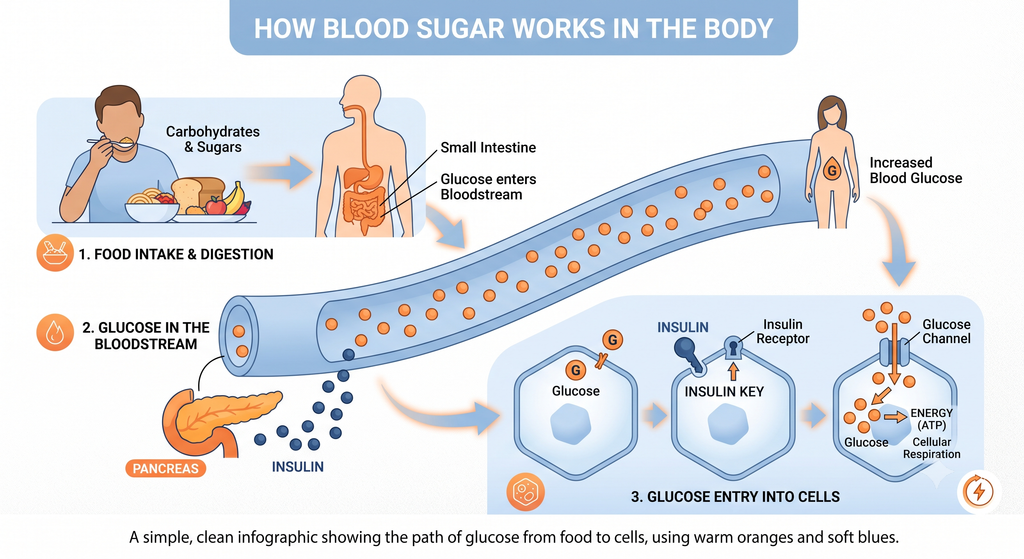
Blood sugar, or blood glucose, is the amount of sugar circulating in your bloodstream at any given moment. Your body pulls this glucose from the carbohydrates you eat, and it’s your primary source of fuel for everything from thinking clearly to walking up a flight of stairs. The hormone insulin, produced by your pancreas, is responsible for shuttling that glucose out of your blood and into your cells.
When this system works well, your blood sugar stays in a healthy, stable range. But when it doesn’t — because of diet, stress, inactivity, or genetics — your blood sugar can spike or crash, leading to fatigue, irritability, sugar cravings, and over time, more serious conditions like prediabetes or type 2 diabetes.
Leading diabetes care guidelines consistently point to monitoring and lifestyle changes as the cornerstone of managing glucose levels effectively.
Link the phrase “blood sugar management guidelines”- https://link.amazon/B0hsNJkKA
7 Proven Ways to Keep Your Blood Sugar Healthy
Let’s get into the actionable part. These are the seven strategies I recommend most often when people ask me how to keep their blood sugar in a healthy range — not as quick fixes, but as habits you can realistically maintain.
1. Prioritize Fiber-Rich, Low-Glycemic Foods
The single biggest lever you have over your blood sugar is what’s on your plate. Foods high in fiber — like leafy greens, legumes, oats, and whole grains — slow down how quickly sugar enters your bloodstream, preventing sharp blood sugar spikes. Pairing carbohydrates with protein or healthy fats also blunts the glucose response significantly.
Beyond fiber, portion size matters too. Even a “healthy” carbohydrate can push your blood sugar higher than expected if the portion is too large. I encourage readers to think in terms of plate composition: roughly half vegetables, a quarter lean protein, and a quarter whole-grain or starchy carbohydrate. This simple ratio does more for stable blood sugar than any single “superfood” ever could.
My favorite low-glycemic meal-prep cookbook — grab it here →https://link.amazon/B0adSl3CX
2. Move Your Body Every Day
Exercise is essentially a natural blood sugar regulator. When your muscles contract during activity, they pull glucose out of your bloodstream for energy — independent of insulin. Even a 15-minute walk after meals can measurably lower post-meal blood sugar levels. I recommend combining resistance training with daily walks for the best long-term impact on blood sugar stability.

3. Stay Consistently Hydrated
Dehydration concentrates glucose in your bloodstream, which can actually raise your blood sugar reading. Drinking enough water throughout the day helps your kidneys flush out excess sugar through urine and supports overall blood sugar balance. Aim for at least 8 glasses daily, more if you’re active.
Many people mistake thirst for hunger, reaching for a sugary snack when a glass of water would have done the job. Keeping a water bottle visible on your desk or in your bag is a small, almost effortless habit that pays dividends for blood sugar stability across the day, especially if you tend to forget to drink water during busy work hours.
4. Manage Stress Proactively
Chronic stress triggers cortisol release, and cortisol tells your liver to dump more glucose into your bloodstream — directly raising your blood sugar. This is why people under constant work or emotional stress often struggle with unstable blood sugar even when their diet looks fine on paper. Practices like meditation, deep breathing, and short digital detoxes can meaningfully support healthier blood sugar levels over time.
Try the stress-tracking wearable I personally use — link here →https://link.amazon/B0aJrqz2F
5. Prioritize Quality Sleep
Poor sleep doesn’t just make you tired — it directly impairs insulin sensitivity, making it harder for your body to regulate blood sugar. Sleep researchers have linked short sleep duration to impaired glucose tolerance the following morning. Aim for 7–9 hours of consistent, quality sleep to give your blood sugar the best chance of staying balanced.
sleep and blood sugar – https://link.amazon/B07Dg7FUW
6. Monitor Your Blood Sugar Regularly
You can’t manage what you don’t measure. Whether you use a traditional glucometer or a continuous glucose monitor (CGM), tracking your blood sugar trends over time gives you real feedback on which foods, habits, and routines work best for your body. This is one of the fastest ways to personalize your blood sugar management strategy.
This is the CGM device I recommend for beginners — check it out →https://link.amazon/B0f7ObZYA

7. Build Consistent Meal Timing
Irregular eating patterns — skipping meals, then overeating later — cause dramatic blood sugar swings. Eating at consistent times each day trains your body’s insulin response and helps keep your blood sugar on an even keel. I personally recommend not going more than 4–5 hours without a balanced meal or snack.
Foods That Naturally Support Healthy Blood Sugar
Beyond the seven habits above, certain foods deserve special mention for their blood sugar-friendly properties:
- Cinnamon – may improve insulin sensitivity and modestly lower blood sugar
- Leafy greens – low in carbs, high in fiber, gentle on blood sugar
- Fatty fish – omega-3s support overall metabolic health tied to blood sugar regulation
- Berries – lower glycemic impact compared to most fruits, easier on blood sugar
- Nuts and seeds – healthy fats that slow glucose absorption and steady blood sugar
Warning Signs of Unhealthy Blood Sugar
It’s worth knowing what unstable blood sugar actually feels like, so you catch it early:
- Frequent fatigue, especially after meals
- Intense sugar or carb cravings
- Increased thirst and frequent urination
- Blurred vision
- Slow-healing cuts or wounds
- Unexplained weight changes
If you notice several of these symptoms consistently, it’s worth having your blood sugar checked by a healthcare provider rather than guessing. None of the strategies in this article are a substitute for professional medical guidance, especially if you already have a diagnosed condition.
Building a Long-Term Blood Sugar Routine
One mistake I see often is treating blood sugar management as a short sprint rather than an ongoing routine. A single “clean” week of eating won’t undo years of habits, and a single indulgent meal won’t undo months of good blood sugar management either. What matters is the trend line over weeks and months, not any single day’s reading.
I recommend keeping a simple journal — paper or digital — logging your meals, activity, sleep, and, if you’re monitoring it, your blood sugar numbers. Over a few weeks, patterns tend to jump out: maybe your blood sugar spikes after a specific breakfast, or dips uncomfortably low after an intense workout without enough fuel beforehand. This kind of personal data is far more useful than generic advice, because your blood sugar response is shaped by your unique metabolism, genetics, and lifestyle.
It also helps to loop in a healthcare provider periodically, especially if you’re making significant changes. Bloodwork like an A1C test gives you a three-month average of your blood sugar, which smooths out day-to-day noise and shows whether your habits are genuinely moving the needle.
Frequently Asked Questions About Blood Sugar
How often should I check my blood sugar? If you’re generally healthy and simply prevention-minded, checking your blood sugar occasionally with an at-home monitor can help you understand your patterns. If you have prediabetes, diabetes, or a family history, your doctor may recommend more frequent tracking of your blood sugar.
Can stress alone raise blood sugar without any dietary changes? Yes. As covered above, stress hormones like cortisol prompt your liver to release stored glucose, which can raise your blood sugar even if your diet hasn’t changed at all. This is why stress management belongs on any serious blood sugar improvement plan.
What is considered a healthy blood sugar range? Ranges vary by individual and testing method, but generally a fasting blood sugar between 70–99 mg/dL is considered normal for most adults without diabetes. Always confirm your personal target range with a healthcare provider, since ideal blood sugar levels can differ based on age, medication, and health history.
Final Thoughts on Keeping Your Blood Sugar Healthy
Managing your blood sugar isn’t about perfection — it’s about consistency. Small, repeatable habits like eating more fiber, moving daily, sleeping well, and managing stress compound over months and years into genuinely healthy blood sugar levels. I’ve seen these seven strategies work not just in research, but in real people’s daily routines, and I believe they can work for you too.
Start with just one or two changes this week. Once they feel automatic, layer in the next. Your blood sugar, your energy, and your future self will thank you.






One Comment