
How Physical Fitness Prevents Diabetes & Heart Disease in 2026. I’ve spent years writing about health, testing routines on myself, and talking to readers who’ve turned their lives around one workout at a time. And if there’s one thing I keep coming back to, it’s this: physical fitness isn’t a vanity project — it’s medicine. Not the kind you swallow with a glass of water, but the kind you earn on a treadmill, in a park, or on a yoga mat.
Today I want to walk you through exactly how physical fitness prevents diabetes and heart disease, using science, real talk, and a few hard truths I’ve learned the hard way. If you’ve been putting off exercise because “you’ll start Monday,” this is the article that might finally change your mind.
Why I’m Writing About This
I’m not a doctor. I’m a professional blogger who has read hundreds of studies, interviewed trainers, and — more importantly — lived the consequences of inactivity in my own family. My father was diagnosed with type 2 diabetes in his fifties. My uncle had his first cardiac event at 48. Watching that unfold taught me something no textbook could: how physical fitness prevents diabetes and heart disease isn’t an abstract medical concept. It’s the difference between a life full of energy and a life managed by pills and hospital visits.
So let’s get into it.
The Diabetes Epidemic Nobody Wants to Talk About
Type 2 diabetes has quietly become one of the most common chronic conditions in the modern world. And the uncomfortable truth is that most cases aren’t caused by bad luck — they’re caused by lifestyle. Sedentary habits, processed diets, and chronic inactivity have created a perfect storm for insulin resistance.
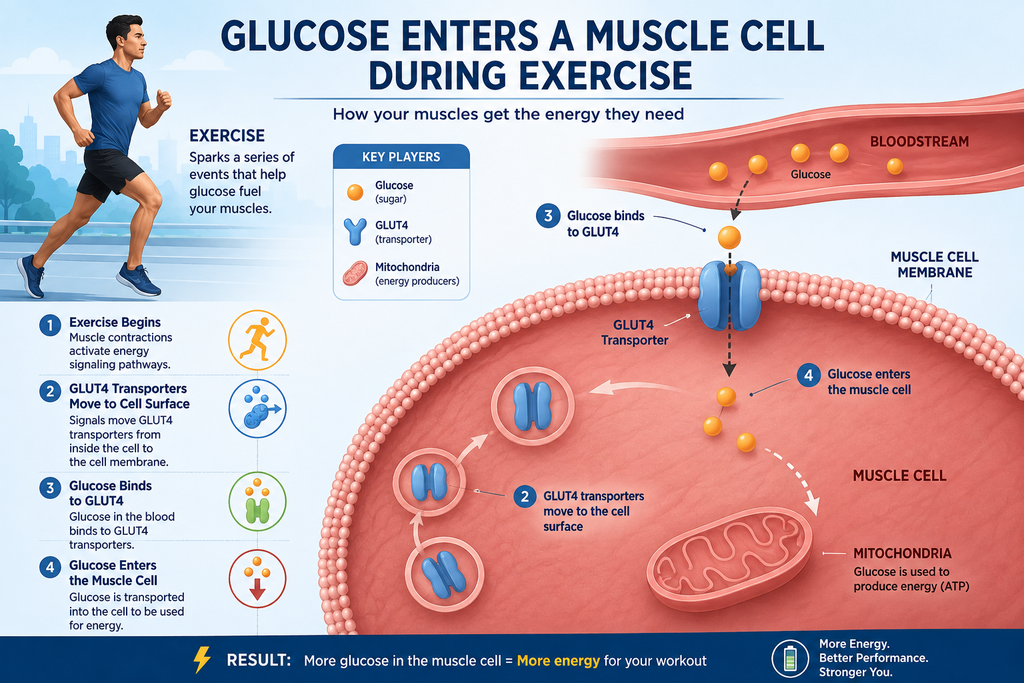
Here’s the mechanism, in plain English: when you don’t move your body regularly, your muscles become less responsive to insulin, the hormone that shuttles glucose out of your bloodstream and into your cells for energy. Over time, your pancreas has to work harder and harder to keep blood sugar in check. Eventually, it can’t keep up. That’s when prediabetes tips into full type 2 diabetes.
This is exactly how physical fitness prevents diabetes at the cellular level — exercise makes your muscles more sensitive to insulin, sometimes within a single session. A brisk 30-minute walk can improve glucose uptake for up to 24 hours afterward. Imagine what a consistent routine does over months and years.
The Heart Disease Connection
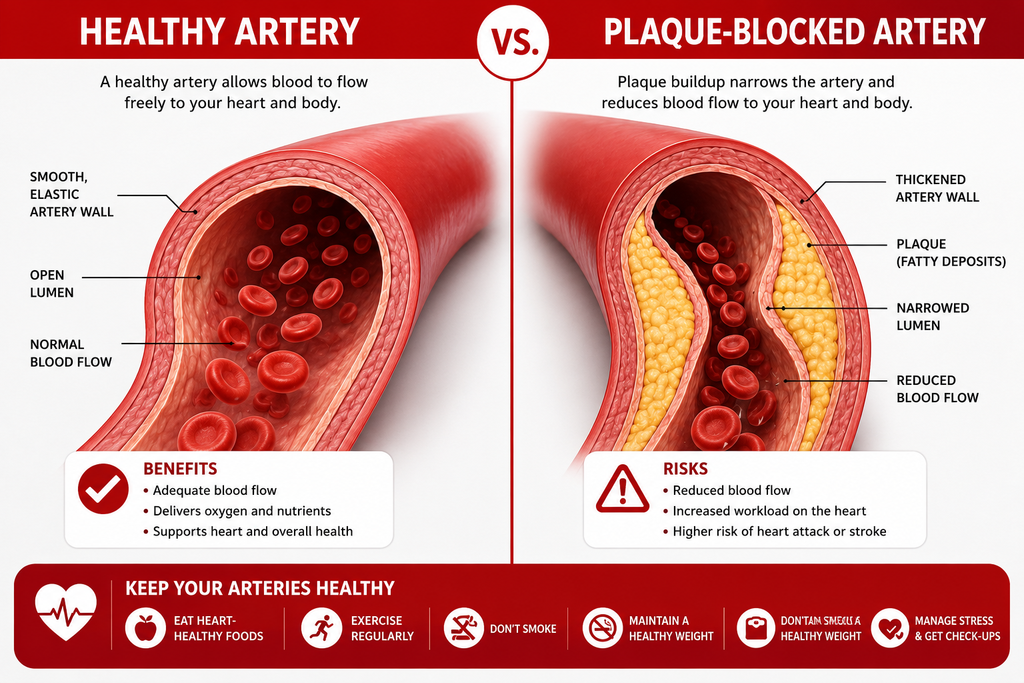
Here’s where it gets even more interesting. Diabetes and heart disease aren’t separate problems — they’re two branches of the same tree. High blood sugar damages blood vessels over time, making them stiffer and more prone to plaque buildup. That’s why people with diabetes are statistically far more likely to develop cardiovascular disease.
This is the second half of how physical fitness prevents diabetes and heart disease simultaneously: cardio exercise strengthens the heart muscle itself, improves circulation, lowers LDL (“bad”) cholesterol, raises HDL (“good”) cholesterol, and helps regulate blood pressure. You’re not just managing one risk factor — you’re attacking the root cause that connects both diseases.
I like to explain it to readers this way: your heart is a muscle, just like your biceps. It gets stronger with consistent, moderate stress and weaker with neglect. Every session of physical fitness — whether it’s swimming, cycling, or a fast-paced walk — is a rep for your cardiovascular system.
CTA PLACEHOLDER — Heart Rate Monitor / Fitness Tracker Affiliate Link: “I personally track my cardio sessions with https://link.amazon/B00h8aHUE — it’s the easiest way to see your heart health improving in real time. Check it out here → https://link.amazon/B00h8aHUE
The Science Doesn’t Lie
Multiple large-scale health studies over the past two decades have reached the same conclusion: consistent physical activity dramatically reduces the risk of developing type 2 diabetes and cardiovascular disease, even in people who are genetically predisposed. Researchers studying inactive populations have repeatedly found that lack of exercise — not just diet — is one of the strongest predictors of metabolic disease.
This is why every major health organization now recommends at least 150 minutes of moderate exercise per week. That’s just over 20 minutes a day. It’s not a huge time commitment when you consider what’s at stake. Understanding how physical fitness prevents diabetes and heart disease should be enough motivation, but let me break down the specific benefits so it really sinks in.
1. Improved Insulin Sensitivity
As mentioned, this is the big one. Regular movement — especially strength training combined with cardio — makes your cells more receptive to insulin, meaning your body needs less of it to manage blood sugar. This is a core reason how physical fitness prevents diabetes so effectively, even in people with a family history of the disease.
2. Healthier Blood Pressure
Exercise conditions your blood vessels to relax and dilate more efficiently, lowering resting blood pressure over time. High blood pressure is one of the biggest silent contributors to heart disease, and it’s remarkably responsive to consistent physical activity.
3. Better Cholesterol Profile
Aerobic exercise raises HDL cholesterol (the kind that clears arteries) while helping lower triglycerides. Combined with strength training, this creates a cholesterol profile that actively protects your cardiovascular system.
4. Weight Management
Excess visceral fat — the fat around your organs — is directly linked to both insulin resistance and heart disease. Physical fitness helps regulate this fat without requiring extreme diets, which is why it remains the most sustainable, evidence-backed strategy for long-term weight control.
5. Reduced Inflammation
Chronic low-grade inflammation is now understood to be a driver of both diabetes and cardiovascular disease. Regular exercise has been shown to reduce inflammatory markers throughout the body, essentially calming the internal “fire” that fuels these conditions.
My Personal Fitness Philosophy
I’m not going to tell you to run marathons. Most people who ask me how physical fitness prevents diabetes and heart disease are looking for something realistic — not a punishing regimen they’ll quit in two weeks.
Here’s what I actually recommend, based on both research and personal experience:
- Start with walking. Thirty minutes a day, five days a week. This alone produces measurable improvements in insulin sensitivity and cardiovascular markers.
- Add resistance training twice a week. Muscle tissue burns more glucose at rest, which directly supports blood sugar control.
- Don’t skip warm-ups and cool-downs. Injuries derail consistency faster than anything else.
- Track your progress. Seeing real numbers — resting heart rate, step count, even mood — keeps motivation alive long after willpower fades.
CTA PLACEHOLDER — Home Gym Equipment Affiliate Link: If you’re building a simple home setup, this is the resistance kit I recommend to every beginner → https://link.amazon/B0bnlLXO6
Nutrition’s Role Alongside Fitness
I’d be doing you a disservice if I said exercise alone solves everything. Diet and physical fitness work together — one amplifies the other. A diet rich in fiber, lean protein, and healthy fats supports the same insulin sensitivity that exercise builds. Processed sugar and refined carbs, on the other hand, can undo a lot of your hard-earned progress in the gym.
This combination — smart eating plus consistent movement — is really the full answer to how physical fitness prevents diabetes and heart disease over a lifetime, not just in a single study or a single season of good habits.
CTA PLACEHOLDER — Nutrition/Supplement Affiliate Link: “For readers asking about supplements that support blood sugar balance, this is the one I personally use → https://link.amazon/A08xUf0hr
Who Should Be Extra Careful
If you already have risk factors — a family history of diabetes, high blood pressure, or existing heart issues — please talk to your doctor before starting any new fitness routine. Some conditions require modified exercise plans (for example, people with diabetic retinopathy should avoid high-impact activities, and those with peripheral neuropathy often do better with low-impact options like swimming or cycling). Fitness is powerful, but it should be personalized to your health situation.

Common Excuses (And Why They Don’t Hold Up)
“I don’t have time.” Twenty minutes a day is less time than most people spend scrolling social media.
“I’m too old to start.” Studies consistently show that even people who begin exercising in their 60s and 70s see meaningful improvements in insulin sensitivity and cardiovascular health.
“I hate the gym.” You don’t need one. Walking, home workouts, dancing, gardening — anything that raises your heart rate consistently counts.
Understanding how physical fitness prevents diabetes and heart disease should be motivation enough to stop waiting for the “perfect” plan and just start moving today.
Final Thoughts From Saumya
If there’s one message I want you to walk away with, it’s this: physical fitness is one of the few things in life that’s almost entirely within your control, and it directly protects you against two of the most common — and most preventable — chronic diseases in the world.
I’ve seen it in my own family, I’ve read the research, and I’ve lived the difference myself. How physical fitness prevents diabetes and heart disease isn’t a mystery anymore — it’s a well-documented, repeatable process: move your body (Body Building), protect your insulin sensitivity, strengthen your heart, and you dramatically shift the odds in your favor.
Start small. Stay consistent. Your future self — and your blood work — will thank you.
CTA PLACEHOLDER — Final Call-to-Action: “Ready to take the first step? Check out my recommended starter fitness kit here → https://link.amazon/B0dL9vtm0. And if you found this article helpful, subscribe for more evidence-based health content every week.”