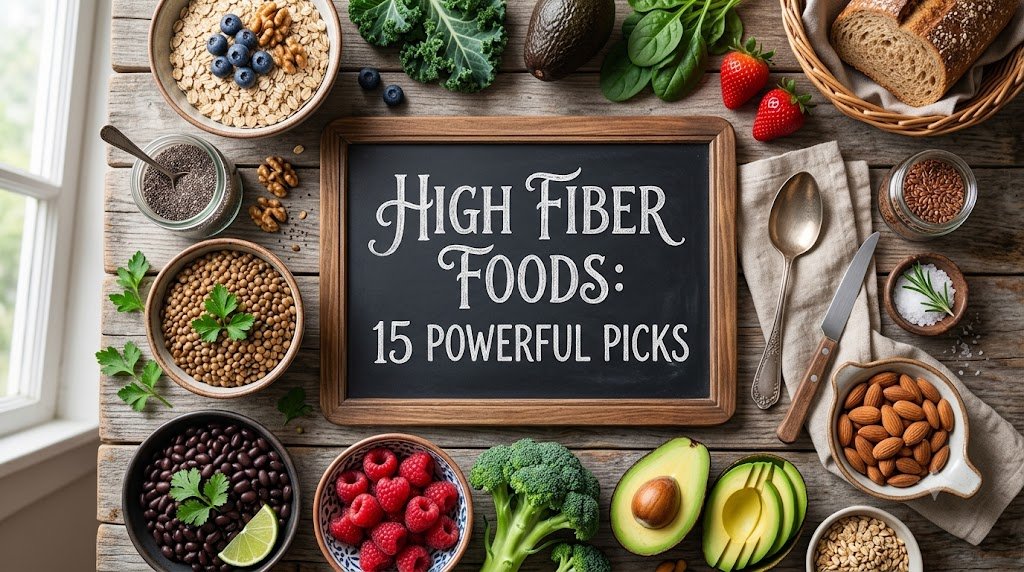
High Fiber Foods: 15 Powerful Picks
Discover High Fiber Foods: 15 Powerful Picks that boost digestion, control weight, and fight disease. Add these high fiber foods to your plate today and feel the difference.
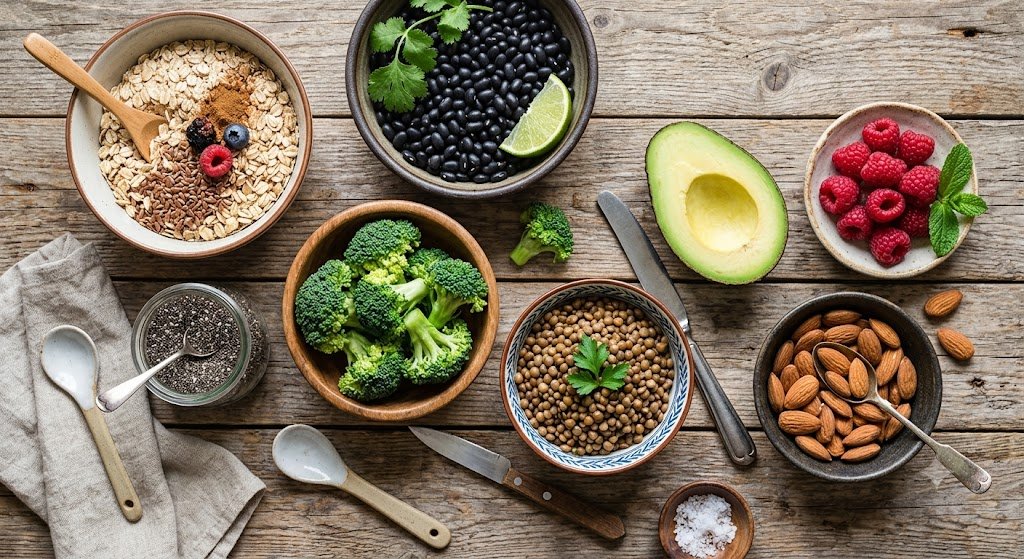
if there’s one thing fifteen years of writing about food, travel, and everyday wellness has taught me, it’s this: the boring stuff usually works best. Fiber is boring. Nobody puts it on a billboard. But high fiber foods are quietly one of the most powerful tools you have for a longer, healthier, more comfortable life — and today I’m breaking down exactly which ones deserve a permanent spot on your plate.
I’ve spent the last few months testing my own diet, swapping refined carbs for high fiber foods, and tracking how my digestion, energy, and even my skin responded. The results convinced me enough to write this guide. So let’s get into the 15 high fiber foods that I believe everyone — vegetarian, non-vegetarian, athlete, or armchair traveler like some of my readers — should be eating regularly.
What surprised me most wasn’t the dramatic before-and-after story you see in ads. It was how undramatic the change felt day to day. No sudden weight loss miracle, no overnight transformation — just steadier energy through the afternoon, fewer sugar cravings after dinner, and a digestive system that finally felt predictable. That’s the quiet power of high fiber foods: they don’t shout, they compound. Every extra gram you eat this week is a small deposit into a much bigger long-term account — lower disease risk, better metabolic health, and a gut microbiome that thanks you in ways you won’t notice until years down the line.
I also want to be upfront about something most “top 10 foods” listicles skip: high fiber foods aren’t a single category. There’s soluble fiber, which dissolves in water and forms a gel-like substance that slows digestion and helps control blood sugar and cholesterol. And there’s insoluble fiber, which adds bulk and keeps things moving through your digestive tract. The best high fiber foods — the ones on this list — usually offer a mix of both, which is exactly why whole foods almost always beat isolated fiber powders.
Why High Fiber Foods Matter More Than You Think
Before the list, let’s talk about why high fiber foods matter. Fiber isn’t digested the way protein or fat is. It passes through your gut largely intact, feeding your microbiome, regulating blood sugar, and adding bulk that keeps things moving smoothly. According to Mayo Clinic, a high-fiber diet can help normalize bowel movements, support bowel health, lower cholesterol, help manage blood sugar, and support healthy weight. (Link this sentence to: mayoclinic.org fiber article — use anchor text “high fiber foods”)
That’s not a small list. High fiber foods are linked to:
- Better digestion and regularity
- Lower cholesterol and heart disease risk
- Steadier blood sugar (huge for anyone managing diabetes risk)
- Longer satiety, which naturally supports weight management
- A healthier, more diverse gut microbiome
Most adults need 25–38 grams of fiber daily, yet most of us barely cross 15 grams. That gap is exactly why I built this list of high fiber foods — real, accessible, grocery-store foods, not exotic supplements.
Struggling to hit your fiber goals through food alone? I personally use – https://link.amazon/B0aE88chn
The 15 Best High Fiber Foods to Add to Your Plate
Here’s my curated list of the most powerful high fiber foods, ranked by how easy they are to work into a normal week.
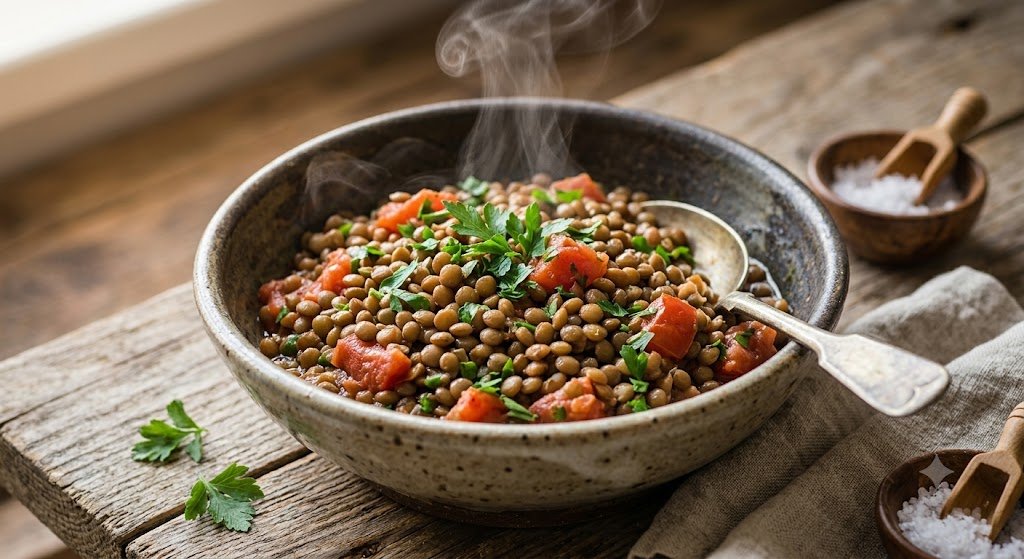
1. Lentils — The Everyday High Fiber Food Champion High Fiber Foods: 15 Powerful Picks
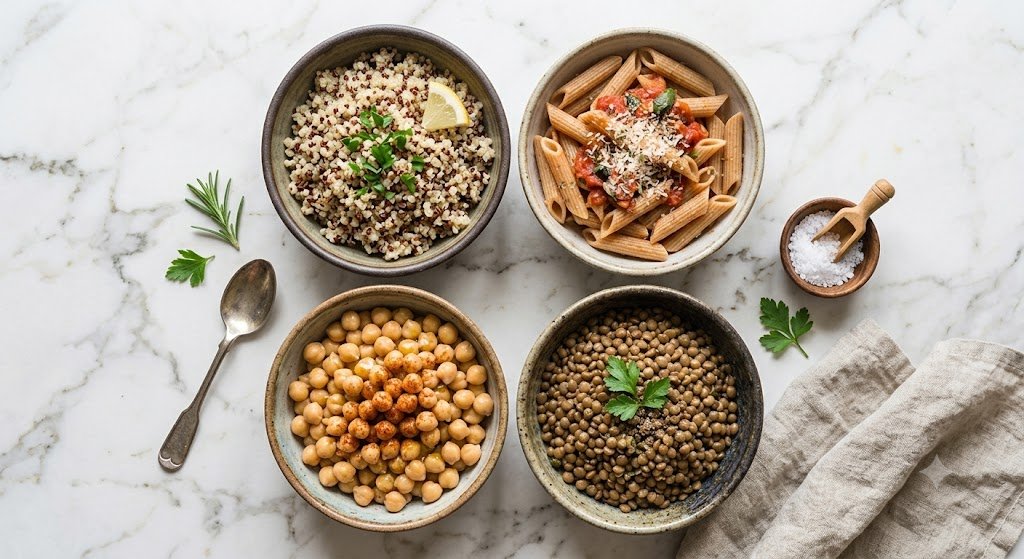
One cooked cup of lentils delivers around 15 grams of fiber. They’re cheap, versatile, and cook in twenty minutes. I throw them into soups, salads, and even blend them into dips. Among all high fiber foods, lentils give you the best fiber-to-effort ratio.
2. Black Beans
Black beans pack roughly 15 grams of fiber per cup. They’re a staple in my own kitchen — tacos, rice bowls, or straight from the can with a squeeze of lime.
3. Chickpeas
Chickpeas offer about 12.5 grams of fiber per cup and double as a protein source, making them one of the most complete high fiber foods on this list.
4. Split Peas
Split pea soup isn’t just nostalgic comfort food — it’s one of the densest high fiber foods around, with over 16 grams of fiber per cup.
5. Oats
Oats contain beta-glucan, a soluble fiber specifically shown to lower LDL cholesterol. A single bowl of oats gives you 4 grams of fiber and keeps you full for hours.
This is the exact steel-cut oats brand I keep in my pantry — see it here – https://link.amazon/B09sxCINN
6. Chia Seeds
Just two tablespoons of chia seeds provide roughly 10 grams of fiber. I sprinkle them on everything from smoothies to yogurt bowls.
7. Raspberries
Among fruits, raspberries are one of the standout high fiber foods, offering 8 grams of fiber per cup while staying low in sugar.
8. Avocado
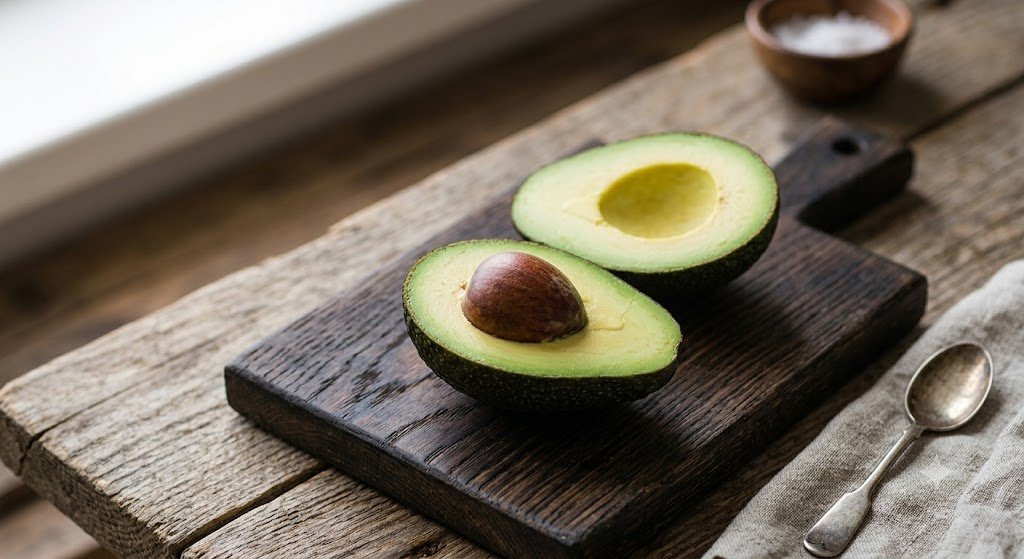
One whole avocado contains about 10 grams of fiber, along with heart-healthy fats. It’s proof that high fiber foods don’t have to be dull.
9. Broccoli
A cup of cooked broccoli offers around 5 grams of fiber, plus a strong dose of vitamin C. I roast it with olive oil and garlic almost weekly.
10. Brussels Sprouts
Roasted, crispy Brussels sprouts deliver about 4 grams of fiber per cup — an underrated entry on any high fiber foods list.
11. Artichokes
One medium artichoke contains an impressive 10 grams of fiber, making it one of the most fiber-dense vegetables you can steam at home.
12. Pears
Eaten with the skin on, a single pear provides about 6 grams of fiber, making it one of the easiest high fiber foods to grab on the go.
13. Almonds
A quarter cup of almonds gives you roughly 4 grams of fiber alongside healthy fats and protein — a perfect travel snack from my own backpack, if I’m honest.
Here’s the roasted almond snack packs I buy in bulk for travel — grab them here. – https://link.amazon/B01yl8x0P
14. Quinoa
Quinoa isn’t just a protein-rich grain substitute; it also delivers about 5 grams of fiber per cooked cup, earning its place among versatile high fiber foods.
15. Whole Wheat Pasta
Swapping refined pasta for whole wheat versions can double your fiber intake per meal, adding roughly 6 grams of fiber per serving without changing your favorite recipes.
How to Actually Fit High Fiber Foods: 15 Powerful Picks Into a Busy Day
Knowing the list is one thing. Living it is another. Here’s how I personally weave high fiber foods into a normal, non-Instagram-perfect day:
- Breakfast: Oats with chia seeds and raspberries
- Lunch: A big salad with chickpeas, avocado, and quinoa
- Snack: Almonds or a pear
- Dinner: Lentil or black bean curry with a side of roasted broccoli
Notice the pattern? Nearly every meal includes at least one or two high fiber foods, without needing a single “diet” recipe.
The trick that made this stick for me was batch prepping. I cook a big pot of lentils or black beans on Sunday and portion them into containers, so on a busy Tuesday, adding high fiber foods to lunch takes zero extra effort. Frozen broccoli and pre-washed greens work the same way — the barrier to eating high fiber foods consistently is almost always convenience, not willpower, so solve for convenience first.
A Word of Caution With High Fiber Foods: 15 Powerful Picks
If you’re not used to eating this much fiber, increase your intake gradually and drink plenty of water. Jumping straight into a diet loaded with high fiber foods can cause bloating or discomfort if your gut hasn’t adjusted. Cleveland Clinic recommends increasing fiber intake gradually over a few weeks and pairing it with plenty of water to avoid digestive discomfort.
Final Thoughts on High Fiber Foods: 15 Powerful Picks
At the end of the day, high fiber foods aren’t a trend — they’re one of the oldest, most well-supported dietary habits for long-term health. Whether it’s lentils in your dinner curry or chia seeds in your morning smoothie, small additions of high fiber foods compound into real results over weeks and months.
I’ve made it a personal rule: at least three high fiber foods on my plate, every single day. Try it for two weeks and see how your digestion, energy, and even cravings shift.
If I had to boil this entire guide down to one habit worth stealing, it’s this: stop thinking of high fiber foods as a “diet food” category and start thinking of them as the default. Refined bread becomes whole grain bread. White rice becomes quinoa or brown rice at least half the time. A plain snack becomes a handful of almonds or a pear. None of these swaps require willpower once they become your normal — they just require the first two weeks of intentional effort.
I’d also encourage you not to chase perfection. You don’t need to eat all 15 high fiber foods on this list every day, and you definitely don’t need to weigh out grams of fiber at every meal like it’s a lab experiment. The goal is direction, not precision. Add one high fiber food to a meal you already eat, then add another next week, and let the habit build itself. That’s exactly how I approached it, and six months later, fiber-rich eating simply became how I eat — not a plan I’m following.
One last thing worth mentioning: pairing high fiber foods with adequate protein and healthy fats tends to make meals more satisfying and blood sugar more stable than fiber alone. A bowl of lentils with a drizzle of olive oil, or oats with almonds and chia seeds, does more for you than either ingredient in isolation. Food works as a system, and high fiber foods are one of the most reliable levers you have inside that system.
Want a done-for-you high fiber meal plan? Check out – https://link.amazon/A0bGki1Qv
Quick FAQ on High Fiber Foods: 15 Powerful Picks
Q: How many high fiber foods should I eat per day? A: Aim for at least 5–6 servings spread across meals to hit the recommended 25–38 grams of daily fiber.
Q: Can high fiber foods help with weight loss? A: Yes — fiber slows digestion and increases satiety, which naturally reduces overeating.
Q: Are high fiber foods safe for people with IBS? A: Generally yes, but soluble fiber sources like oats are often gentler than insoluble ones like raw vegetable skins. Consult a doctor for personalized advice.