
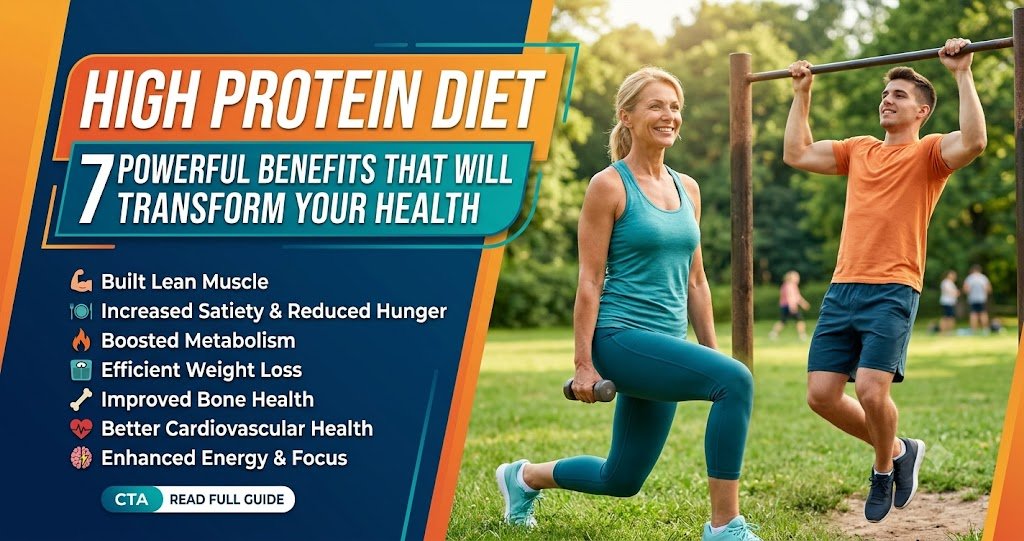
High Protein Diet: 7 Powerful Benefits
Discover why a high protein diet is one of the most powerful tools for fat loss, muscle gain, and long-term health — backed by science, simplified for real life.
f you’ve been Googling whether a high protein diet is worth the hype, or you’re just tired of diets that leave you hungry and cranky by 3 PM, this article is for you. I’m going to walk you through exactly why a high protein diet deserves a permanent spot in your routine, backed by real science and my own trial-and-error.
Let’s get into it.
What Exactly Is a High Protein Diet?
A high protein diet simply means you’re eating more protein than the standard recommended intake — usually somewhere between 1.2 and 2.0 grams of protein per kilogram of body weight, depending on your goals. Instead of protein being an afterthought on your plate, it becomes the anchor of every meal.
This isn’t a fad. Researchers at Harvard’s School of Public Health have studied protein’s role in weight management and heart health extensively, and the consensus is clear: quality matters, but so does quantity. You can read more about the research on protein sources directly from Harvard’s public health research on protein.
Now let’s talk about why a high protein diet is worth building your life around.
Benefit #1: A High Protein Diet Builds and Preserves Lean Muscle
This is the benefit everyone expects, and for good reason. A high protein diet supplies your body with the amino acids it needs for muscle protein synthesis — the process of repairing and building new muscle tissue after exercise.
Whether you’re lifting weights, doing yoga, or just walking daily, your muscles are constantly breaking down and rebuilding. Without enough protein, that rebuilding process stalls. With a high protein diet, you give your body the raw materials to not just maintain muscle, but actively grow it — even in a calorie deficit, which is honestly one of the most underrated perks.

Insert affiliate link here — e.g., “Want to hit your protein goals faster? Check out my top-rated whey protein pick → https://link.amazon/B0ih6eumm“
Benefit #2: A High Protein Diet Supercharges Fat Loss
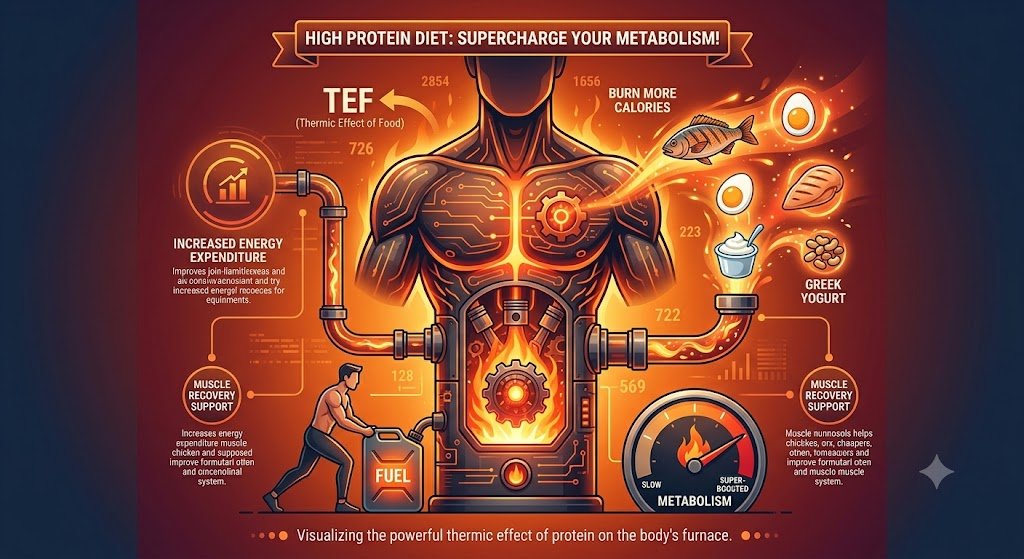
Here’s something most people don’t realize: protein has the highest thermic effect of any macronutrient. That means your body burns more calories digesting protein than it does digesting carbs or fat. So a high protein diet isn’t just about what you eat — it’s about how much energy your body spends processing it.
On top of that, a high protein diet helps preserve calorie-burning muscle mass while you’re losing weight, which prevents the dreaded metabolic slowdown that derails so many diets. I’ve seen this firsthand — clients and readers who switch to a high protein diet consistently report faster, more sustainable fat loss than those relying on carb-cutting alone.
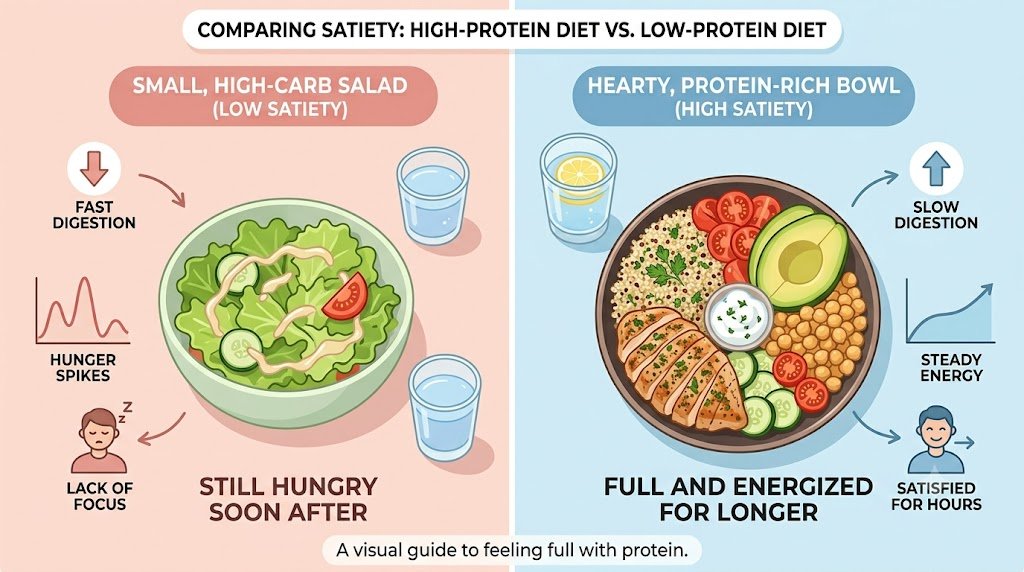
Benefit #3: A High Protein Diet Keeps You Fuller for Longer
If you’ve ever finished a “healthy” salad only to be raiding the pantry an hour later, protein was probably missing. A high protein diet increases levels of satiety hormones like GLP-1 and PYY, while lowering ghrelin — your body’s hunger signal.
This is huge for anyone who struggles with snacking or overeating. A high protein diet doesn’t rely on willpower to control cravings; it works with your biology instead of against it. That’s the difference between a diet you can stick to for six weeks and one you can stick to for six years.
My favorite high-protein snack bars – https://link.amazon/B09axaFq0
Benefit #4: A High Protein Diet Stabilizes Blood Sugar Levels
Unlike refined carbs, protein has a minimal effect on blood glucose. When you build meals around a high protein diet, you slow down digestion and reduce the sharp blood sugar spikes (and crashes) that come from carb-heavy meals.
This matters even if you’re not managing diabetes. Stable blood sugar means steadier energy, fewer mood swings, and less of that mid-afternoon slump that sends you straight to the vending machine. A high protein diet — especially when paired with fiber-rich vegetables — is one of the simplest ways to keep your energy levels consistent all day long.
Benefit #5: A High Protein Diet Strengthens Bones and Joints
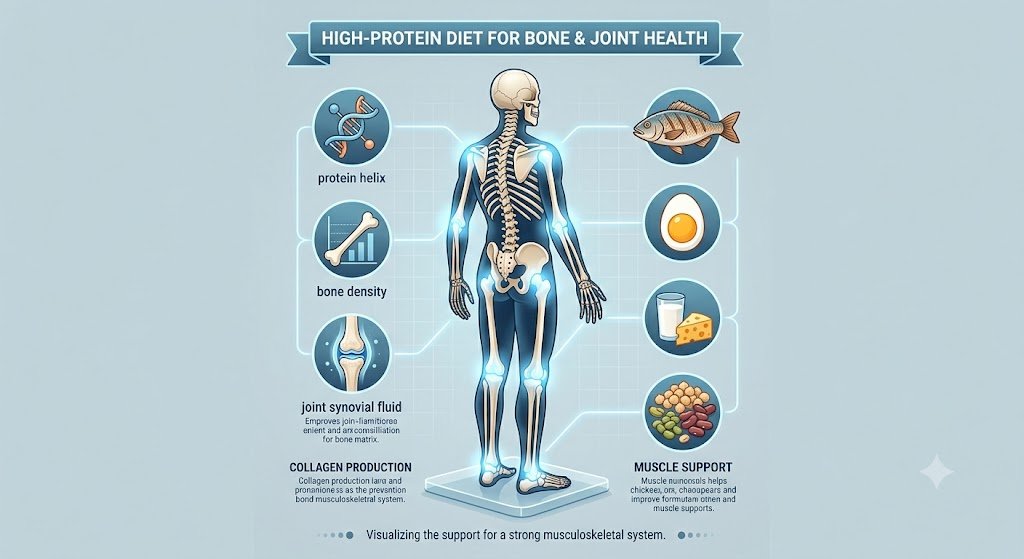
There’s an old myth that too much protein weakens your bones. The science actually says the opposite. A well-formulated high protein diet supports bone mineral density and may reduce the risk of fractures, particularly as we age.
Protein also plays a supporting role in joint health, since collagen — a protein itself — makes up a large part of your cartilage and connective tissue. If you’re active, aging, or recovering from an injury, a high protein diet isn’t optional support — it’s foundational.
Benefit #6: A High Protein Diet Speeds Up Recovery and Healing
Whether it’s a hard workout, surgery, or just the general wear and tear of daily life, your body needs protein to repair itself. A high protein diet accelerates tissue repair and reduces recovery time, which is why athletes and physical therapists alike prioritize protein intake during recovery periods.
I noticed this personally after switching to a high protein diet — sore muscles from workouts eased up faster, and minor injuries seemed to heal quicker than they used to. That’s not a coincidence; it’s amino acids doing their job.
Benefit #7: A High Protein Diet Supports a Healthier Metabolism
Your metabolism isn’t a fixed number — it responds to what you eat. A high protein diet has been shown to boost resting metabolic rate simply because of the energy required to digest and process protein (remember that thermic effect we talked about earlier).
Over time, consistently following a high protein diet helps your body become more efficient at burning fat for fuel while preserving the muscle that keeps your metabolism running strong. It’s a compounding benefit — the longer you stay consistent, the more your body adapts in your favor.
Best Food Sources for a High Protein Diet
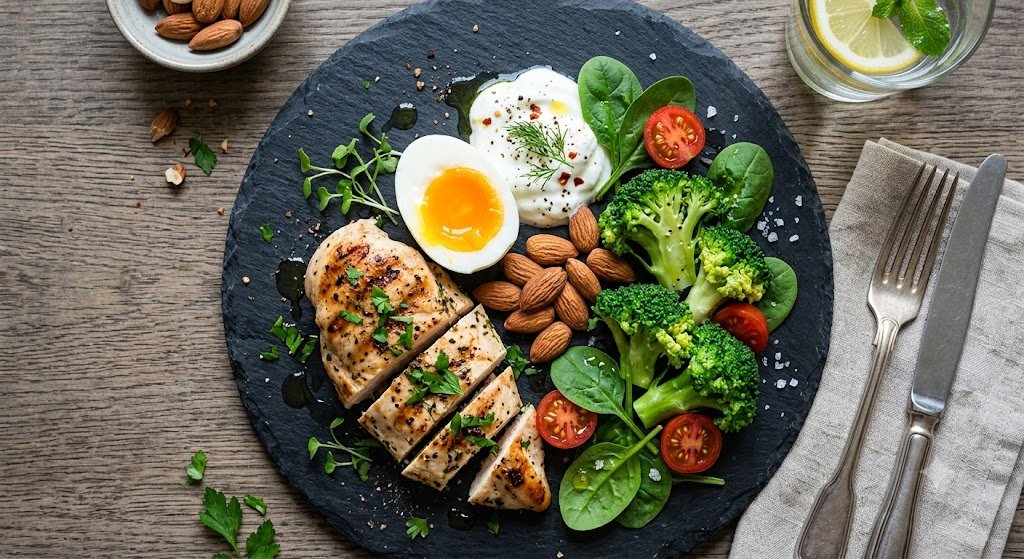
One question I get constantly is, “What should I actually eat on a high protein diet?” The good news is you don’t need exotic ingredients or expensive supplements — just a solid rotation of everyday foods that pack a real protein punch.
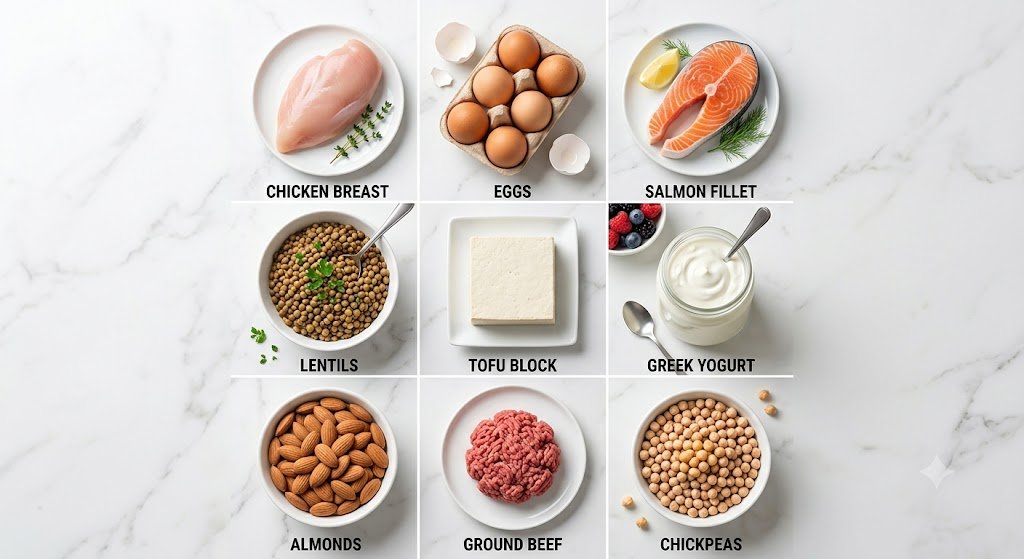
Here are some of my go-to staples for a high protein diet:
- Chicken breast — around 31g of protein per 100g, low in fat and endlessly versatile.
- Eggs — roughly 13g per 100g, plus a full amino acid profile and cheap enough to eat daily.
- Greek yogurt — about 10g per 100g, with the added bonus of gut-friendly probiotics.
- Salmon and other fatty fish — around 22g per 100g, plus heart-healthy omega-3s.
- Legumes and lentils — a fantastic plant-based option for anyone building a high protein diet without meat.
- Cottage cheese — an underrated, slow-digesting protein that’s perfect before bed.
- Tofu and tempeh — ideal staples for a vegetarian or vegan high protein diet.
Mixing both animal and plant sources, as Harvard researchers have noted, tends to give you the best balance of nutrients while keeping saturated fat in check — so your high protein diet supports your heart, not just your muscles.
Common Questions About a High Protein Diet
Is a high protein diet safe for everyday use? For most healthy adults, yes. A high protein diet within the 1.2–2.0g per kg body weight range is generally considered safe and is even linked to better heart health outcomes when protein comes from a mix of lean animal and plant sources. If you have kidney concerns, it’s worth checking with a doctor first.
How much protein do I actually need on a high protein diet? It depends on your activity level and goals, but a good starting point for most people following a high protein diet is 1.6g of protein per kilogram of body weight per day, adjusting up if you’re strength training heavily.
Can I follow a high protein diet as a vegetarian or vegan? Absolutely. Tofu, tempeh, lentils, chickpeas, quinoa, and plant-based protein powders all make it entirely possible to run a high protein diet without a single animal product.
How to Start a High Protein Diet Today
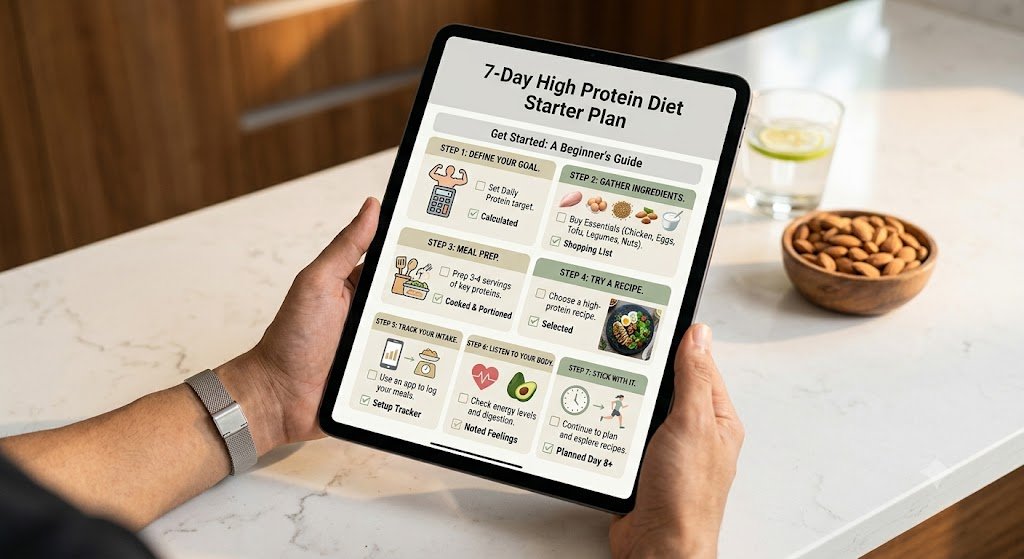
You don’t need to overhaul your entire life overnight. Here’s how I recommend easing into a high protein diet:
- Anchor every meal with a protein source — eggs, chicken, fish, tofu, legumes, or Greek yogurt.
- Snack smart — swap chips or cookies for protein-rich options like jerky, cottage cheese, or a protein bar.
- Track your intake for one week just to see where you’re starting from.
- Supplement if needed — a good whey or plant-based protein powder can help you hit your numbers without overeating.
- Be consistent, not perfect — a high protein diet works because of what you do most days, not what you do occasionally.
Final Thoughts on the High Protein Diet
At the end of the day, a high protein diet isn’t about restriction — it’s about giving your body what it actually needs to perform, recover, and feel good. From muscle preservation to fat loss, blood sugar stability to bone health, the benefits stack up in a way very few other dietary changes can match.
I’ve built my own habits around a high protein diet, and honestly, it’s one of the few nutrition changes that’s delivered on its promises for me — consistently, not just for a few weeks. If you’re on the fence, start small, track your protein for a week, and see how your body responds. Chances are, you’ll never go back.
2 Comments