
Skin Care Cosmetics: 10 Shocking Truths
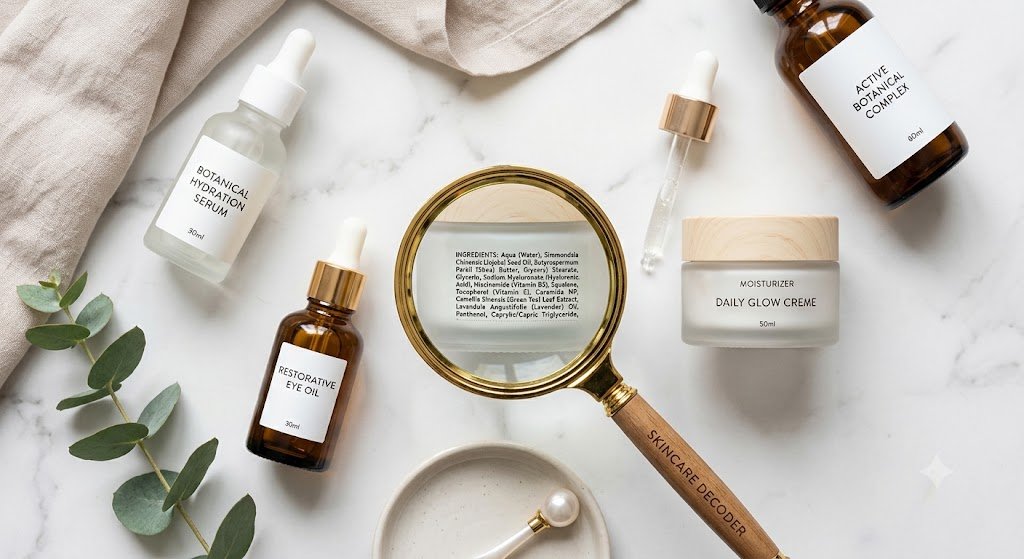
Skin Care Cosmetic: Useful Or Harmful. Hey, Sujith John Malliyil here. I’ve spent years writing about health, wellness, and the products we trust with our bodies every single day — and few categories get as much hype, confusion, and misinformation as skin care cosmetics. Walk into any store or scroll through any beauty influencer’s feed and you’ll see dozens of skin care cosmetics promising miracle results overnight. But here’s the honest question nobody seems to answer clearly: are these skin care cosmetics actually useful, or are they quietly doing more harm than good?
I’ve dug into the research, read through ingredient lists most people skip, and talked to enough dermatologists over the years to know that the answer isn’t black and white. Some skin care cosmetics genuinely improve skin health. Others are loaded with irritants, synthetic fragrances, and questionable preservatives that do far more damage than the packaging admits. In this article, I’m breaking down exactly how to tell the difference — so you can make smarter choices the next time you’re standing in front of a shelf of cosmetics.
What Exactly Are Skin Care Cosmetics?
Before we go further, let’s define our terms. Skin care cosmetics refer to any topical product designed to cleanse, moisturize, protect, or enhance the appearance of your skin — cleansers, serums, moisturizers, sunscreens, exfoliants, and specialty treatments all fall under this umbrella. The global market for skin care cosmetics is worth well over $100 billion, and that scale is exactly why quality control varies so wildly from brand to brand.
Not all cosmetics are created equal. Some are formulated by dermatologists using clinically tested, skin-safe ingredients. Others are mass-produced with cheap fillers designed to look and smell appealing on a store shelf — regardless of what they actually do to your skin barrier long-term.
Curious what a dermatologist-approved routine actually looks like? [Check out the skin care cosmetics I personally use → https://link.amazon/B0dlwfTqB
The Case for Skin Care Cosmetics Being Useful
Let’s start with the good news, because there’s plenty of it. Well-formulated skin care cosmetics can genuinely transform your skin health when used consistently and correctly.
1. Sunscreen-based skin care cosmetics prevent long-term damage. This one isn’t up for debate. According to the American Academy of Dermatology, daily sunscreen use is one of the most effective ways to prevent premature aging and reduce skin cancer risk. Any conversation about skin care cosmetics has to start here — SPF products are arguably the single most useful category in the entire industry.
2. Moisturizing skin care cosmetics support your skin barrier. A healthy skin barrier keeps moisture in and irritants out. Quality moisturizing cosmetics — especially those with ceramides, hyaluronic acid, and glycerin — actively repair and strengthen that barrier rather than just masking dryness temporarily.
3. Active-ingredient can address real concerns. Retinoids, vitamin C, and niacinamide are backed by real clinical research. When formulated correctly, these cosmetics can reduce fine lines, even out skin tone, and improve texture over time — not overnight, but genuinely.
The Case for Skin Care Cosmetics Being Harmful
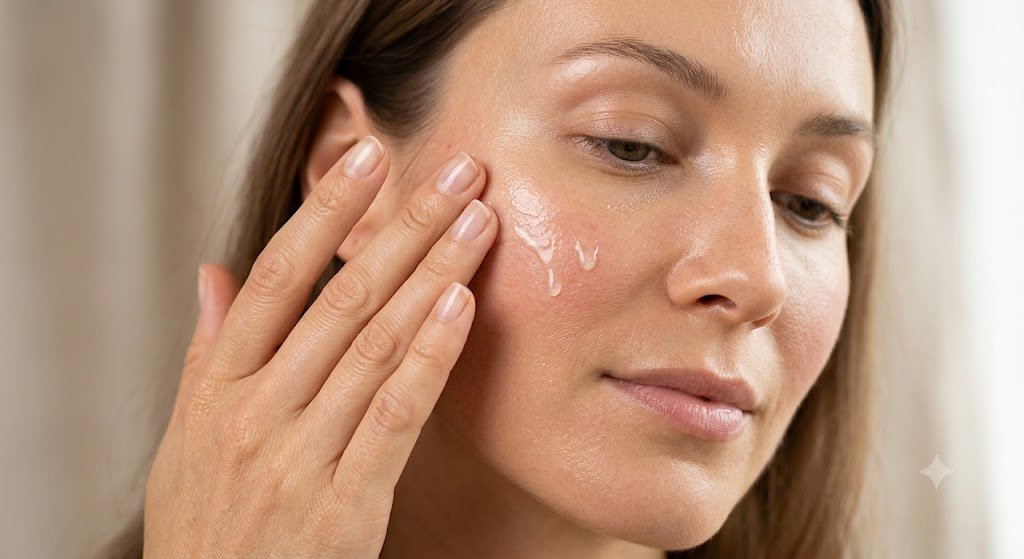
Now for the part most brands don’t want you to think about too hard. Not every product on the shelf deserves a place in your routine, and some cosmetics can genuinely damage your skin over time.
1. Fragrance-heavy skin care cosmetics can trigger irritation. Synthetic fragrances are one of the leading causes of contact dermatitis. If your cosmetics smell strongly “fresh” or “floral,” that scent is often masking a cocktail of chemicals your skin barrier didn’t ask for.
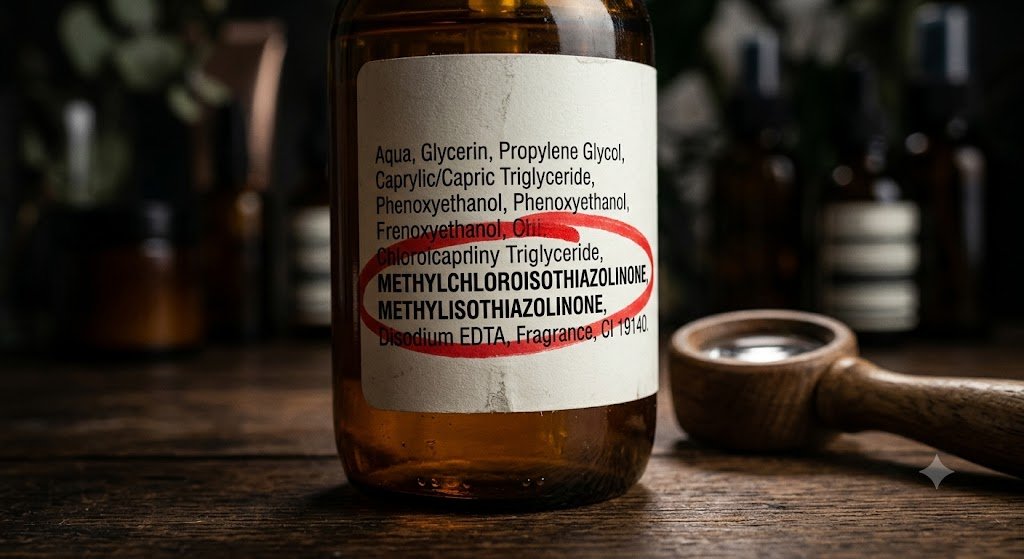
2. Some skin care cosmetics contain harsh preservatives. Parabens, formaldehyde-releasing preservatives, and certain sulfates have raised long-term safety questions. The Environmental Working Group (EWG) maintains a database specifically because so many cosmetics on store shelves haven’t been fully vetted for long-term topical exposure.
3. Over-exfoliating skin care cosmetics strip your skin barrier. This is one I see constantly. People chase glass-skin results by layering multiple exfoliating cosmetics — AHAs, BHAs, retinoids — all at once, and end up with redness, sensitivity, and a compromised barrier instead of the glow they wanted.
4. Unregulated “natural” skin care cosmetics aren’t automatically safe. “Natural” doesn’t mean harmless. Poison ivy is natural too. Some botanical extracts in cosmetics are more allergenic than their synthetic counterparts, and the term “natural” is largely unregulated marketing language.
Want to avoid the harmful stuff entirely? [See the clean-formula skin care cosmetics I trust → https://link.amazon/B0i60XnrD
How to Choose Skin Care Cosmetics That Actually Help
So how do you separate the genuinely useful cosmetics from the harmful ones? Here’s the exact framework I use myself.
Read the Ingredient List, Not the Marketing Label
Front-of-bottle claims on skin care cosmetics are marketing, not science. Flip the bottle over. If the first five ingredients are mostly water, fillers, and fragrance, you’re paying for packaging, not results.
Patch-Test Every New Product – Skin Care Cosmetics
No matter how reputable the brand, new cosmetics should be patch-tested on your inner arm for 48 hours before applying to your face. This single habit prevents the vast majority of reactions people blame on “sensitive skin” when it’s actually the product.
Introduce One Active Ingredient at a Time
If you’re building out a cosmetics routine from scratch, introduce one new active every 1–2 weeks. This lets you actually identify what’s working and what’s irritating your skin — instead of guessing after a bad reaction to five new products at once.
Check Third-Party Safety Databases
Resources like the EWG Skin Deep database and the FDA’s cosmetic ingredient guidance are worth bookmarking before you commit to any new skin care cosmetics purchase, especially for products marketed toward sensitive or acne-prone skin.
Match Skin Care Cosmetics to Your Actual Skin Type, Not Trends
This might be the most overlooked step of all. So much of the confusion around cosmetics comes from people copying a routine they saw online without ever confirming whether their own skin type matches. Oily, dry, combination, and sensitive skin all respond differently to the same active ingredients — a heavy, occlusive moisturizer that works wonders for dry skin can clog pores and trigger breakouts on oily skin, and a strong exfoliating acid that transforms dull, resilient skin can leave sensitive skin raw and inflamed within days.
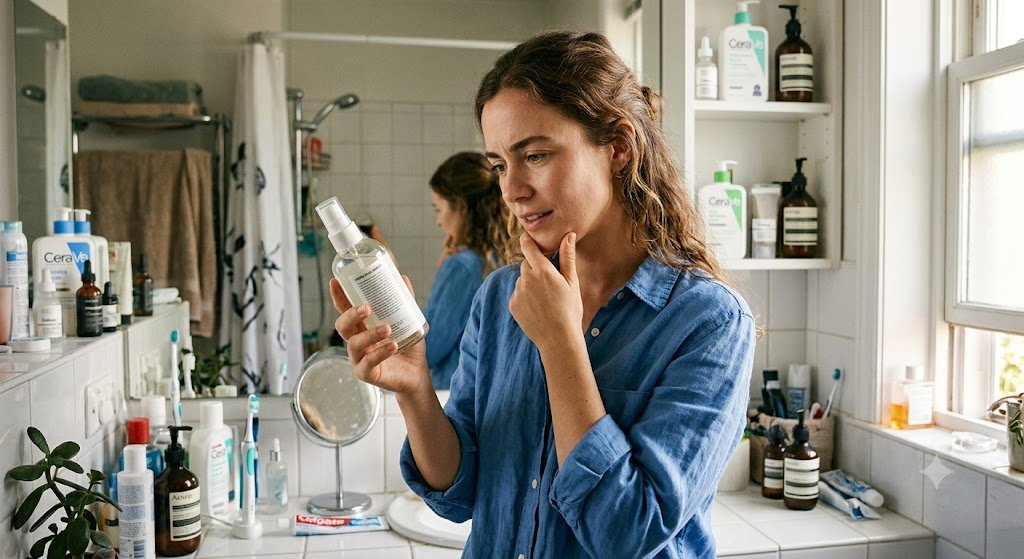
Before buying any new skin care cosmetics, take the time to genuinely understand your skin type and its specific triggers. A quick way to test this: go a full day without any product and observe how your skin behaves by midafternoon — tight and flaky suggests dryness, shiny and prone to breakouts suggests oiliness, and reactive or easily flushed skin suggests sensitivity. That fifteen-minute self-assessment will save you far more money and frustration than any influencer recommendation ever will, and it’s the single biggest factor in whether your cosmetics routine actually delivers results or just sits half-used in your bathroom cabinet.
Common Myths About These Cosmetics
Myth: More expensive skin care cosmetics always work better. Price often reflects branding and packaging, not efficacy. Some drugstore skin care cosmetics use the exact same active ingredients as $100 luxury alternatives.
Myth: Skin care cosmetics labeled “dermatologist-tested” are automatically safe. This phrase has no legal definition. It simply means a dermatologist was involved in testing at some point — not that the skin care cosmetics are guaranteed safe for every skin type.
Myth: You need a 10-step routine for skin care cosmetics to work. More products mean more chances for irritation. A focused routine of 3–4 well-chosen cosmetics — cleanser, moisturizer, sunscreen, and one active — outperforms a cluttered 10-step routine for most people.
Skin Care Cosmetics: My Final Verdict
So — useful or harmful? Based on everything I’ve researched and tested personally, the honest answer is: it depends entirely on the formulation and how you use it. Well-formulated skin care cosmetics, used consistently and introduced thoughtfully, can genuinely improve your skin’s health, texture, and resilience over time. Poorly formulated or overused cosmetics, on the other hand, can strip your barrier, trigger irritation, and leave you chasing solutions for problems the products themselves caused.
The real skill isn’t finding the “best” skin care cosmetics on the market — it’s learning to read labels critically, patch-test diligently, and resist the marketing noise that convinces so many people to overload their routine. Treat your skin like the largest organ in your body, because it is — and choose your skin care cosmetics the way you’d choose anything else you put on it long-term: carefully.
Frequently Asked Questions About Skin Care Cosmetics
Are skin care cosmetics safe to use every day? Most gentle skin care cosmetics — cleansers, moisturizers, and sunscreen — are designed for daily use. Active-ingredient products like retinoids and exfoliants often work better with a few rest days built into your weekly routine.
How do I know if my cosmetics are causing irritation? Watch for redness, tightness, breakouts, or a burning sensation after application. If it happens consistently with the same product, stop using it and patch-test any skin care cosmetics you plan to reintroduce.
Do natural cosmetics work better than synthetic ones? Not necessarily. Both natural and synthetic cosmetics can be effective or irritating depending on the specific formulation — the “natural” label alone doesn’t guarantee safety or performance.
How long before skin care cosmetics show visible results? Most active-ingredient skin care cosmetics take 6–12 weeks of consistent use before visible changes appear. Anything promising overnight transformation deserves extra scrutiny.